Gobi Desert & Central Mongolia
Tour Overview
Your journey begins in the peaceful Mongolian Gobi, where golden sunsets, towering sand dunes, and the ancient homeland of dinosaurs await. You then travel to the Orkhon Valley, Mongolia’s historic heartland and home to Kharkhorum, the ancient capital of the Mongol Empire, before ending among the lush summer grasslands of central Mongolia.
Bonus Itinerary
this is a extra detail on scheduled tour page test
Daily Itinerary
Day 1:Ulaanbaatar
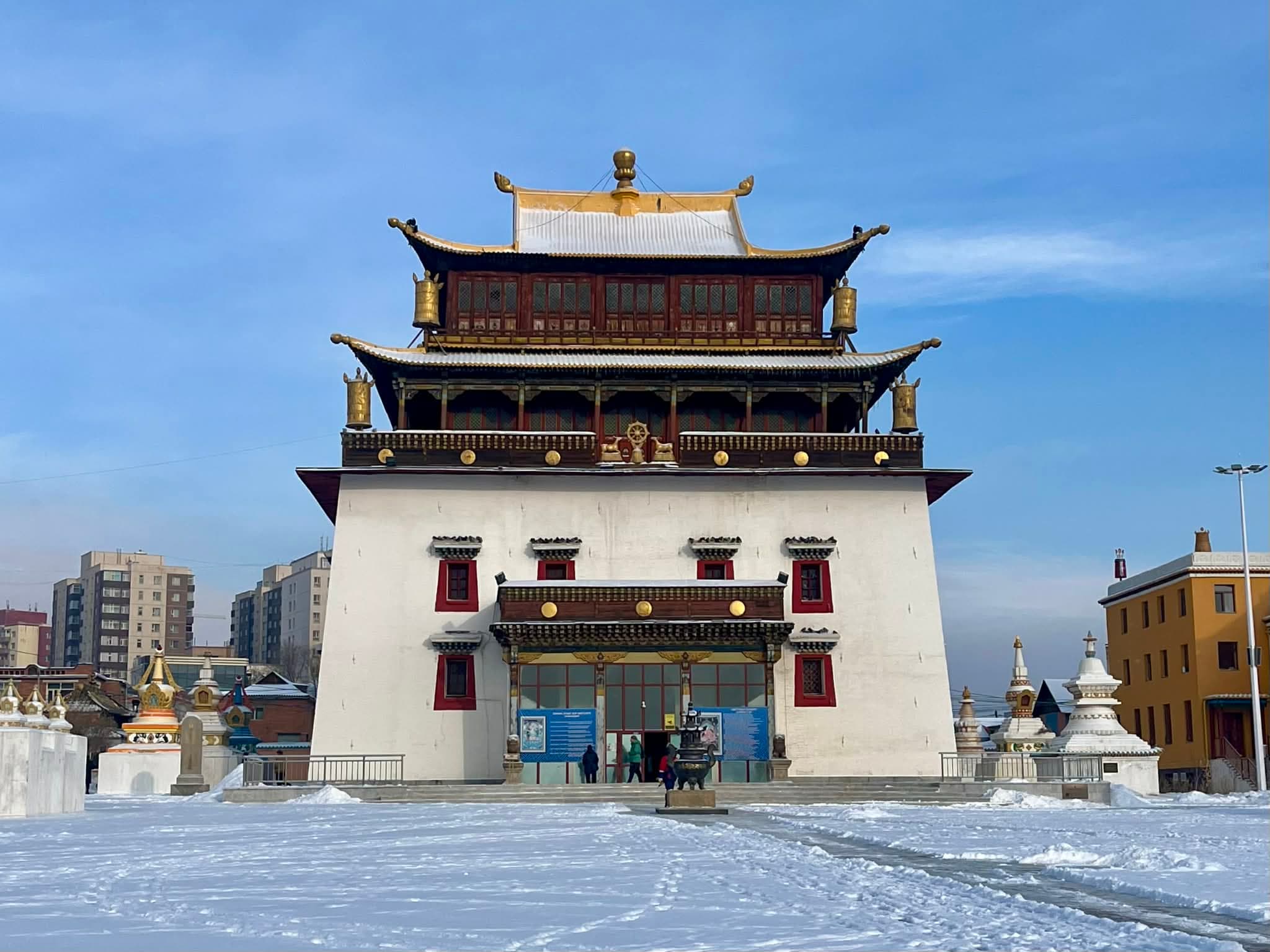
Your journey begins with a full-day exploration of Ulaanbaatar. You will visit Gandan Monastery and the Chinggis Khan National Museum, followed by an evening of traditional Mongolian cultural performance.
Day 2:Baga Gazriin Chuluu
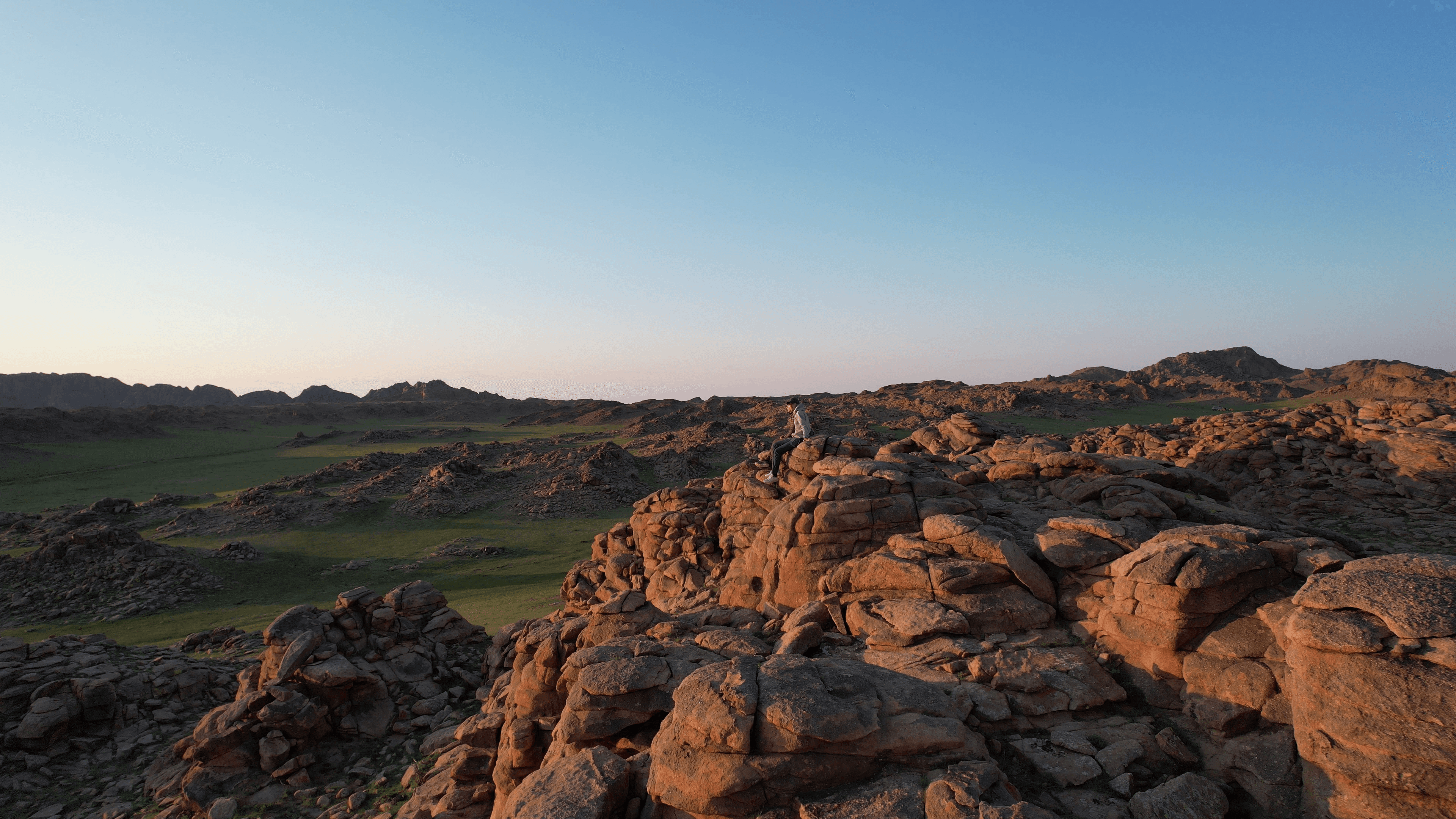
We drive to Baga Gazriin Chuluu, a granite mountain known for its unusual formations, where rock layers appear cut and stacked horizontally. This distinctive landscape is home to ibex, argali (mountain sheep), and Mongolian gazelles. Among the rocks lie the remains of a 17th-century temple, an “eye spring” believed by locals to benefit eye health, and ancient burials and petroglyphs. Enjoy hiking through the rocky terrain and a clear, star-filled summer sky. Baga Gazriin Chuluu is ideal for travelers seeking nature, history, and tranquil landscapes.
Day 3:Tsagaan Suvarga (White Stupa)
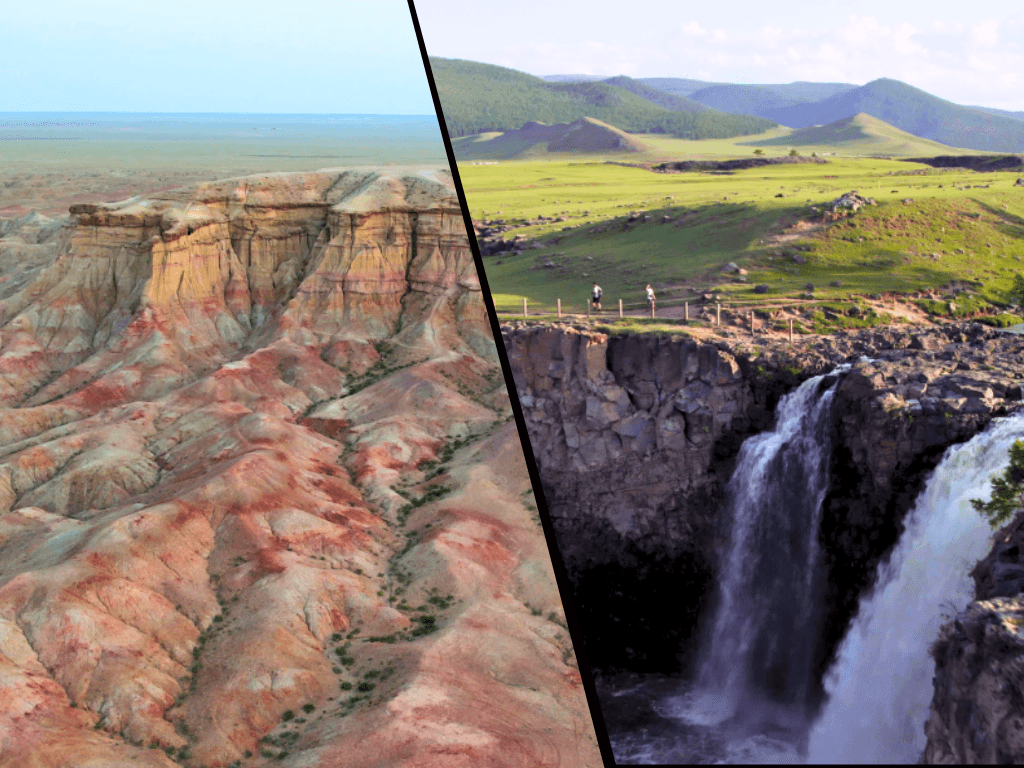
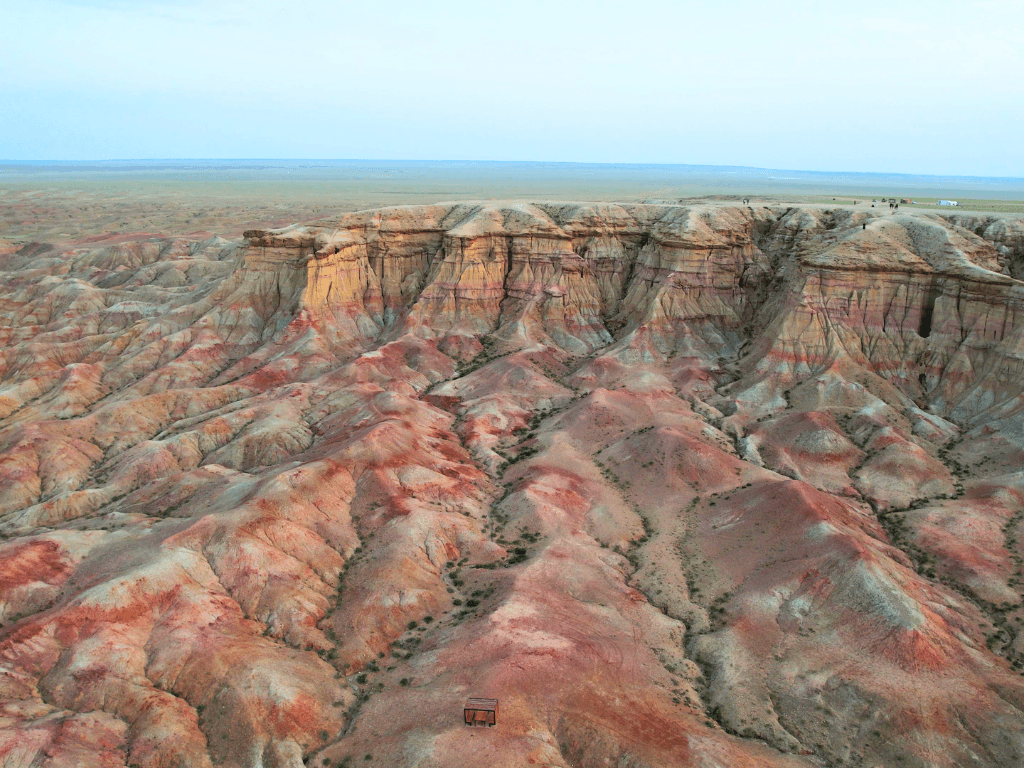
Tsagaan Suvarga is a striking cliff formation rising up to about 60 meters (197 feet) high and spreading roughly 400 meters wide. The sedimentary layers were once the bottom of an ancient sea that covered this part of the Gobi. In the early morning light, the white, orange, and red colors slowly change, giving the landscape an almost otherworldly feel and often bringing to mind scenes from Mars.
Day 4:Yoliin Am (The Yol Valley)
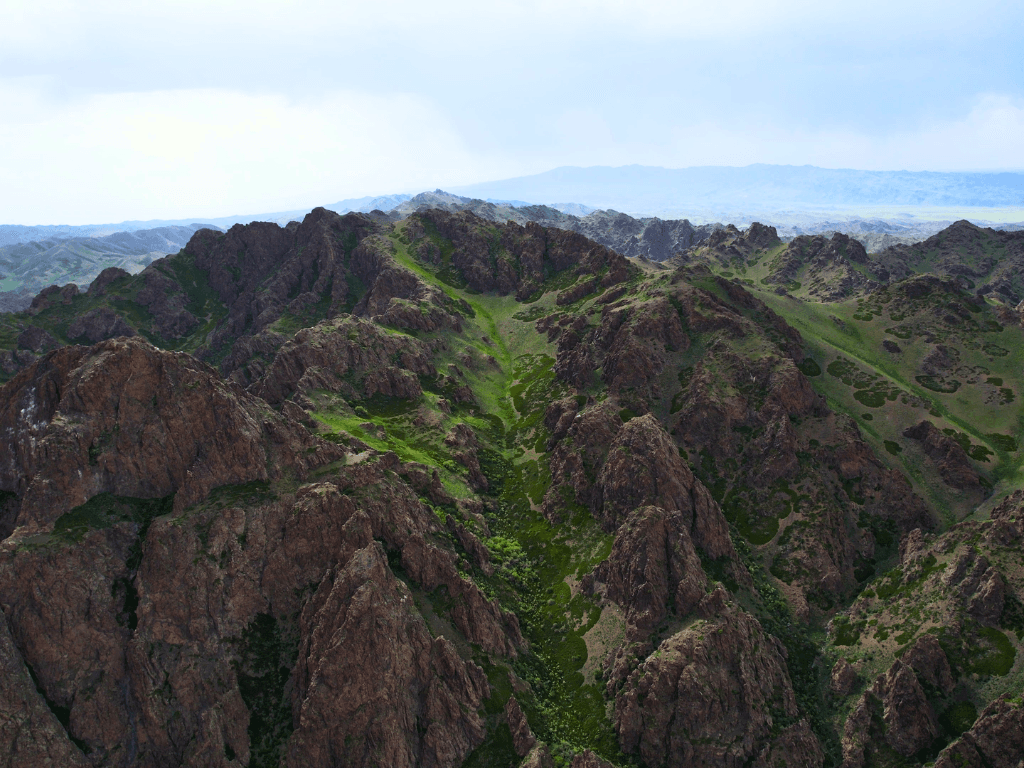
Yol Valley (Yolyn Am) is a narrow mountain gorge in the Gobi Desert where ice often remains in the shaded canyon for much of the year. The valley is rich in biodiversity and supports wildlife such as bearded vultures, eagles, argali (mountain sheep), and ibex. Even during the hot summer months, walking through the narrow gorge, where shaded sections often retain ice, offers a distinctive experience.
Day 5:Khongoriin Els (Khongor Sand Dune)
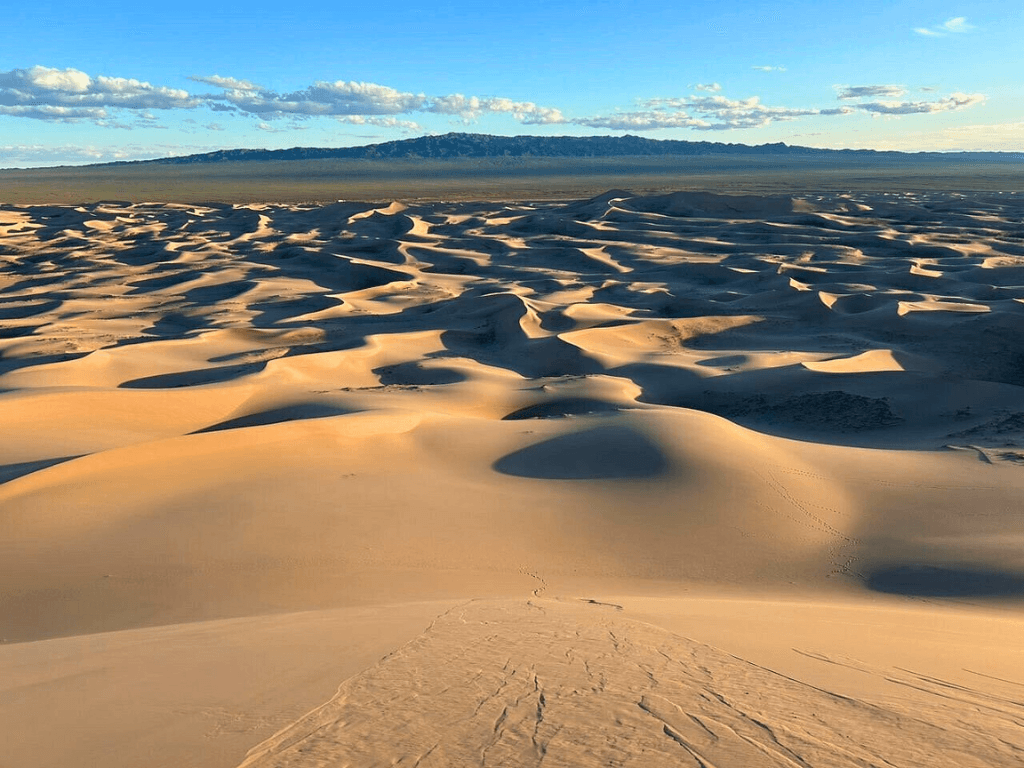
Looking across the landscape, the sand dunes stretch for about 180 km (112 miles), bordered by rocky mountains to the south and a river-fed green oasis to the north. The tallest of these dunes is Duut Manhan, also known as the Singing Dune. From the top, wave-like patterns spread across the golden sand. On windy days, warm sand slides down the steep face of the dune, creating a soft whistling sound that gives the dune its name. This part of the Mongolian Gobi is also one of the few places where two-humped camels are found, and riding a camel across the dunes offers a quiet way to experience the desert.
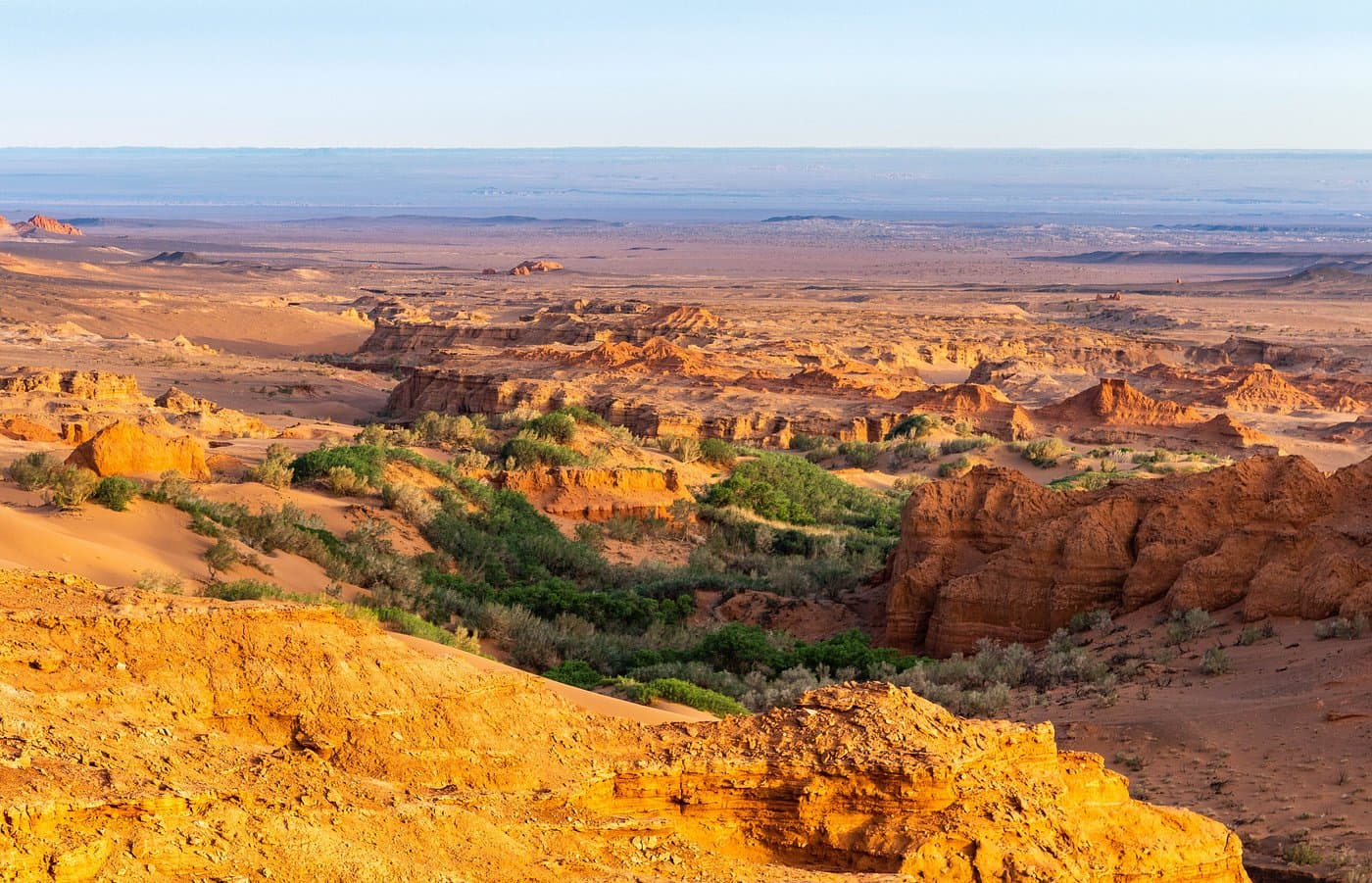
Day 6:Bayanzag Flaming Cliffs
The name Bayanzag, meaning “rich in saxaul,” comes from the saxaul plants that once grew widely across the area. In 1922, American explorer and paleontologist Roy Chapman Andrews and his team uncovered dinosaur eggs and fossils here, bringing international attention to the site. As the sun lowers in the evening sky, the clay cliffs take on deep shades of red and orange, a sight that led Andrews to name the area the Flaming Cliffs.
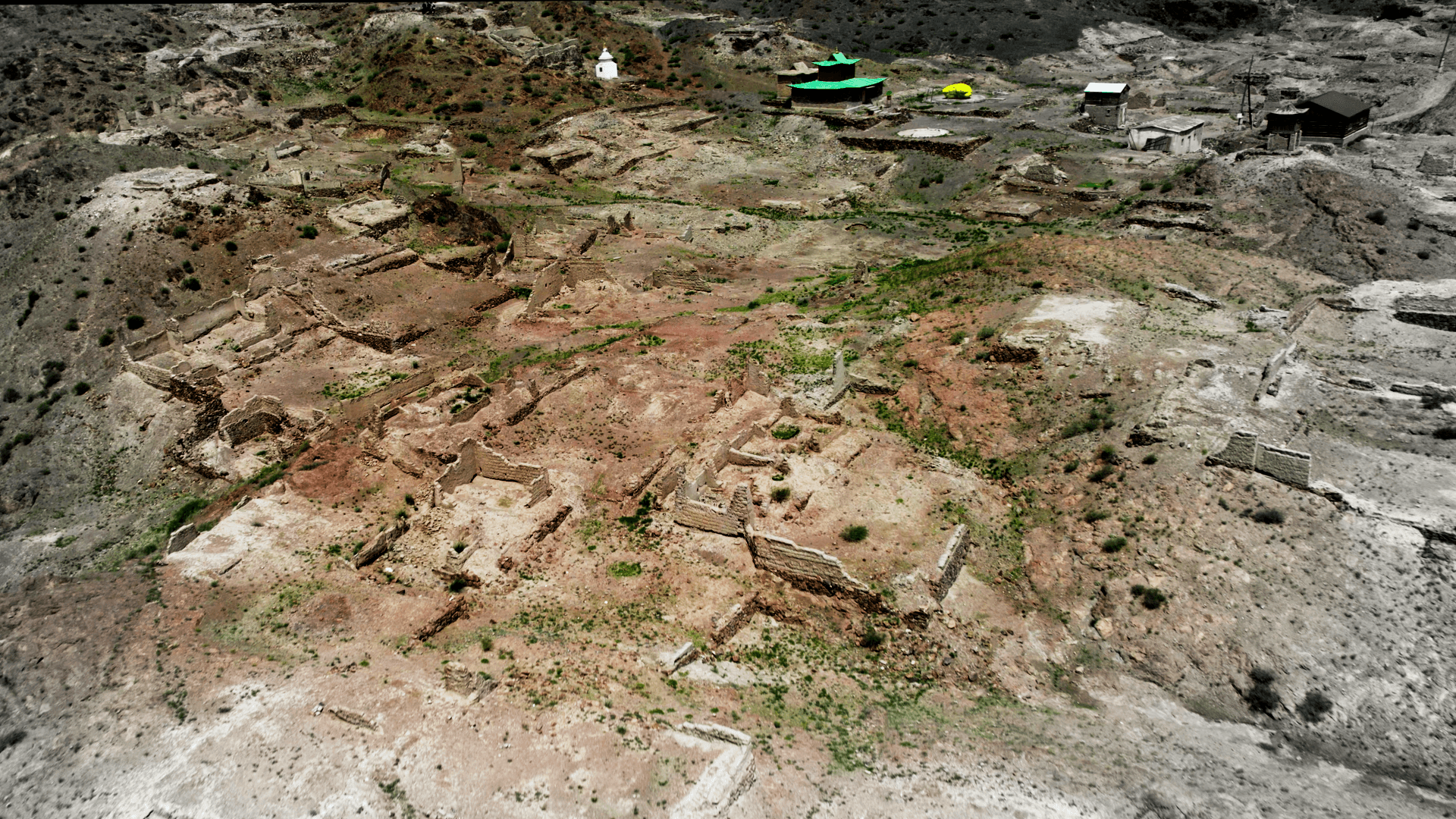
Day 7:Ongi Monastery
Ongi Monastery was once one of Mongolia’s largest and most important Buddhist centers. Founded in 1660, it stood on both sides of the Ongi River, with two temple complexes that together included around 28–30 temples, four Buddhist universities, and space for over 1,000 monks at its height. During the political purges of the late 1930s, the monastery was destroyed, leaving only ruins behind. After Mongolia’s democratic transition, restoration work began, and a temple was rebuilt in 2004. Today, the site is active on a small scale, and during the summer months, young monks can sometimes be seen practicing mantras.
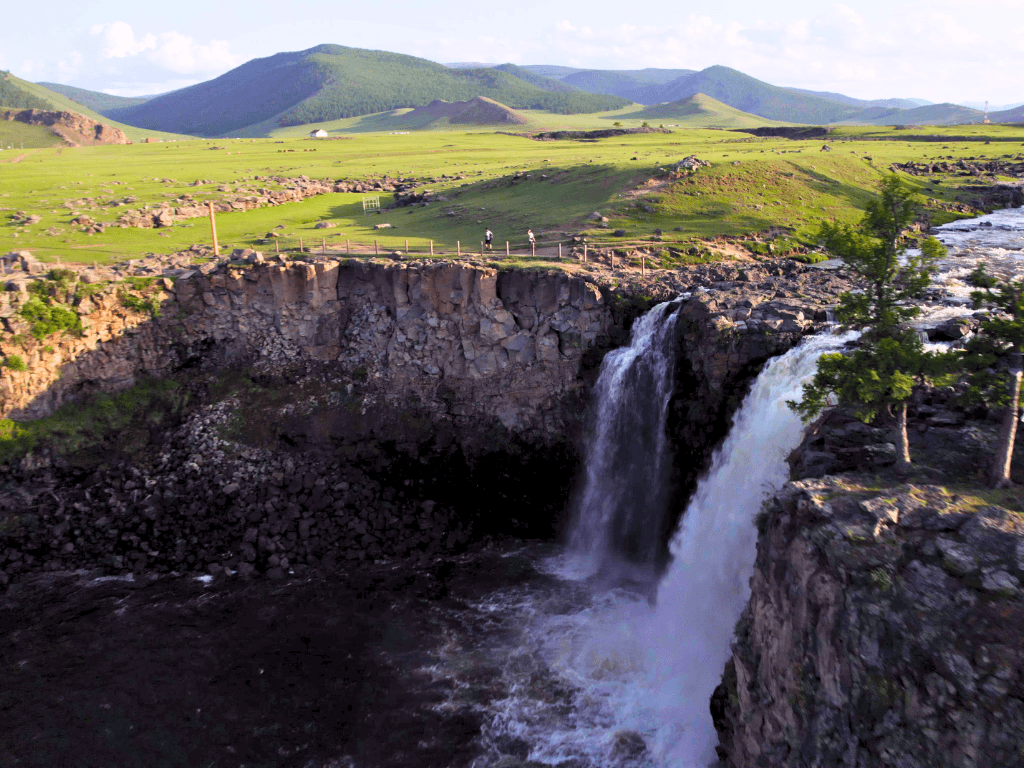
Day 8:Orkhon Valley & Orkhon Waterfall
Orkhon Valley Cultural Landscape is one of Mongolia’s most important cultural and historical regions and is listed as a UNESCO World Heritage Site. For centuries, the valley was a center of nomadic life and an important area in the history of Central Asia. Several major historical sites are located within the valley, including Karakorum, the capital of the Mongol Empire; Khar Balgas, the former capital of the Uyghur Khaganate; Erdene Zuu Monastery; and Tuvkhun Monastery. Orkhon Valley Cultural Landscape covers the Orkhon River basin and the northeastern edge of the Khangai Mountains, with landscapes shaped by low mountains, rolling hills, wide river valleys, and open steppe. The area includes mountain forest, forest-steppe, river meadows, and dry steppe, creating a varied natural setting.
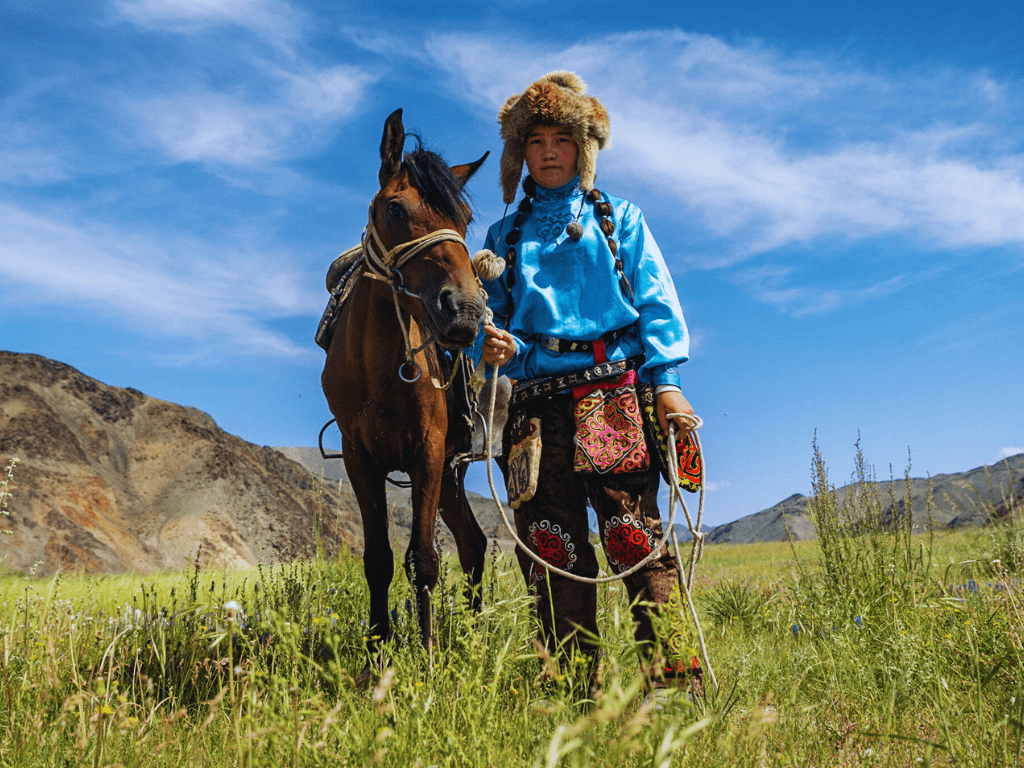
Day 9:Orkhon Valley
We spend another day in the area, riding horses and hiking through the valley.
Day 10:Tsenkher Hot Spring
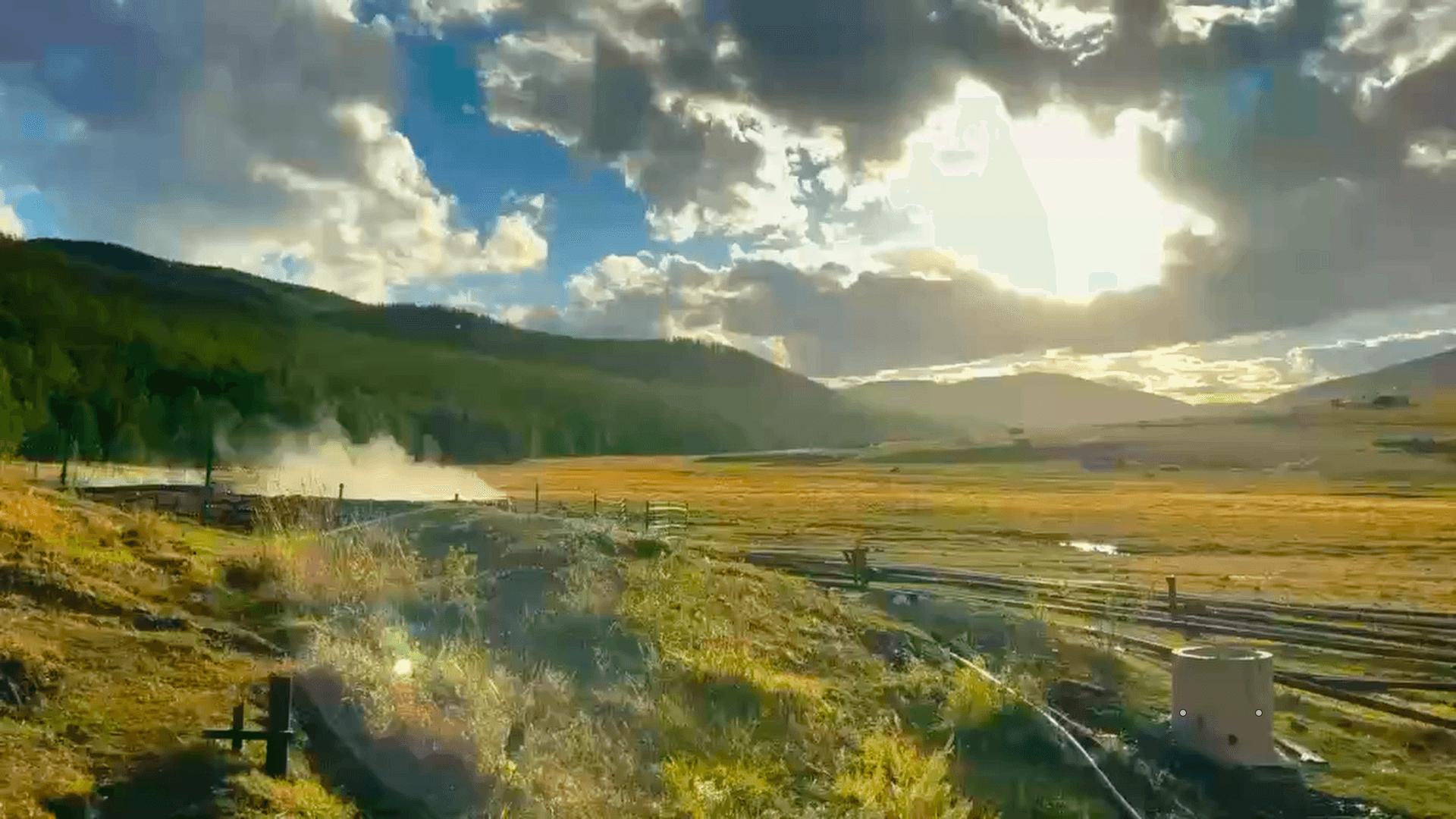
Tsenkher Hot Spring is one of Mongolia’s highest-temperature hot springs, reaching around 86 °C (186 °F). This alkaline hot spring rises from deep underground and contains hydrogen sulfide and silicon compounds. Traditionally, the hot spring is believed to help relieve joint discomfort and certain skin conditions and to support recovery following medical treatment.
Day 11:Kharkhorin City & Erdenezuu Monastery
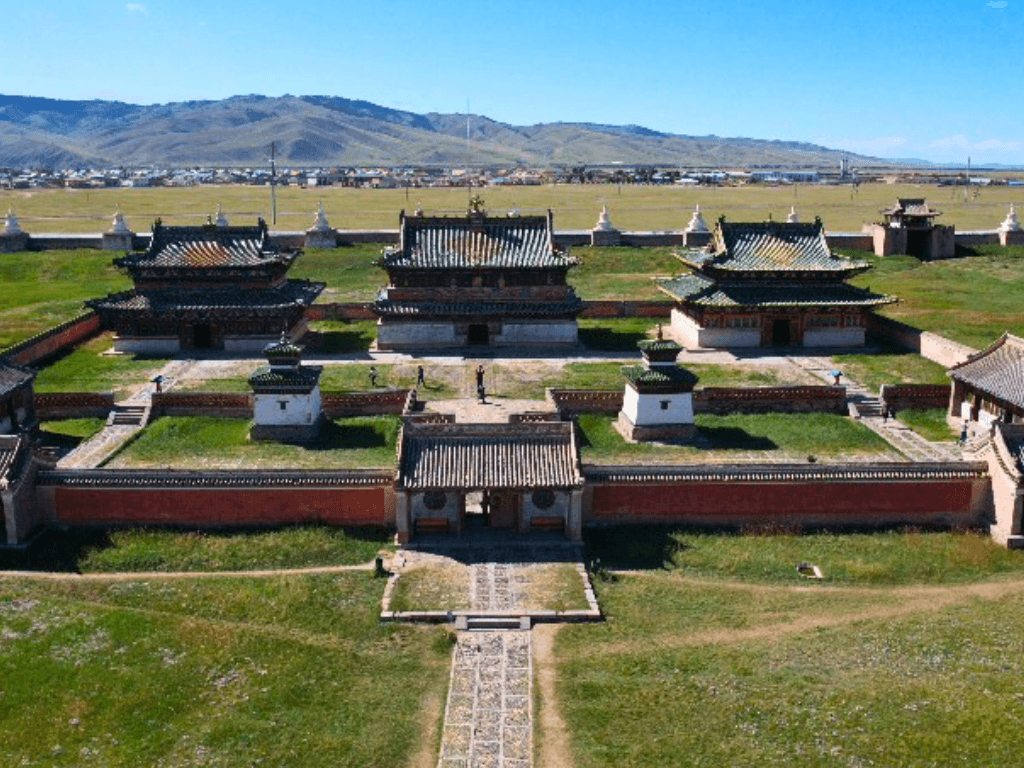
Kharkhorum was founded in the early 13th century and became the capital of the Mongol Empire in 1235 under Ögedei Khan. The city was enclosed by walls and included a palace and many buildings connected to trade and daily life. People of different cultures and religious backgrounds lived in Kharkhorum, making it one of the most diverse cities of its time. Today, the remains of the city lie near modern Kharkhorin and offer a glimpse into its rich past.
Day 12:Khustai National Park & Ulaanbaatar
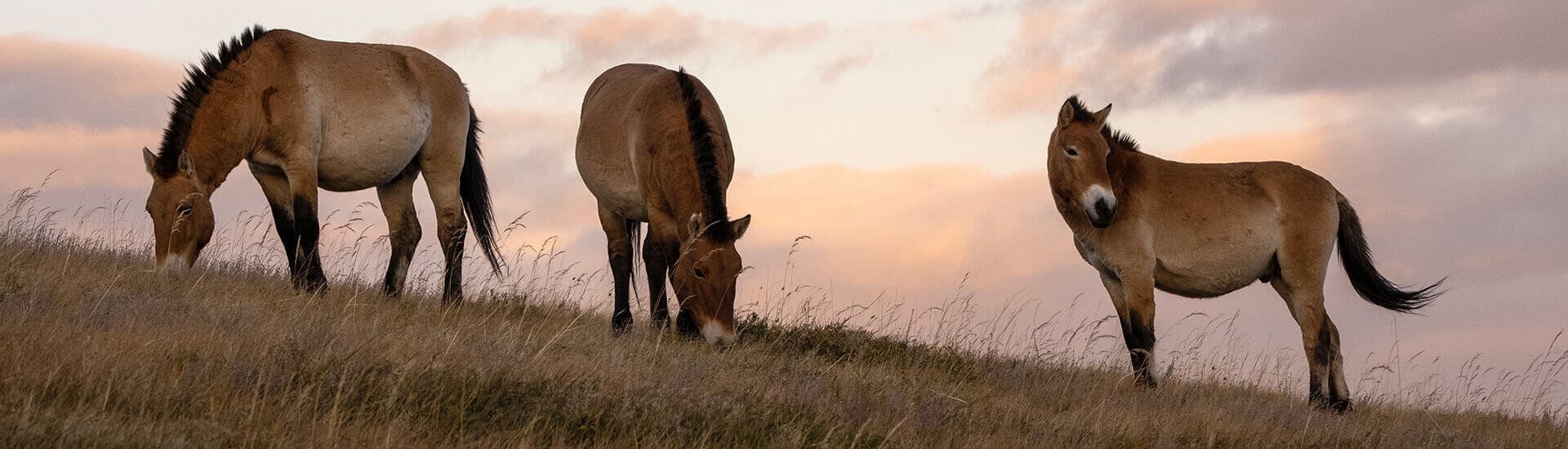
Khustai National Park was established to reintroduce the takhi (Equus ferus przewalskii Groves), the world’s last remaining species of truly wild horse listed in the IUCN Red List. The reintroduction began in 1992, and today the park is also home to many other rare species of flora and fauna, including marmots, deer, and birds of prey.
Price & Options
Price Includes
- Driver + 4WD vehicle + Gas
- English speaking tour guide/cook
- National Park entrance fee
- Camel and horse riding for one hour or longer
- Accommodations
- All meals (breakfast, lunch, and dinner)
Price Excludes
- Accommodations in UB
- Travel and Medical insurance
- Personal Items
- Tip money for drivers and guides
- Visa fee
- Alcohol and soft drinks
Upcoming Scheduled Departures
Private Tour Packages
Choose a package below to request custom dates for your private group.
Economy
Commonly chosen package
Premium
Comfortable experience
Tour Route
Guest Reviews
5.0 / 5.0
"We did the 4 day Mongolia tour with Jigden in December. Throughout the entire planning process, Jigden was patient and accommodating, even offering us....."
Read full review
"We went on a tour with Jigden's team around Central Mongolia and the Gobi desert. This trip turned out to be one of the most amazing trips we ever had...."