
Tour Overview
We will begin our journey to the Gobi Desert on July 1. Along the way, we will explore the dramatic Flaming Cliffs, sweeping sand dunes, and the striking natural beauty of the Mongolian Gobi. On July 10 and 11, we will conclude our adventure in Ulaanbaatar, where we will experience the vibrant Naadam Festival and witness Mongolia’s traditional games and celebrations.
Daily Itinerary
Day 1:Khugnu Khan & Elsen Tasarkhai (July 1)
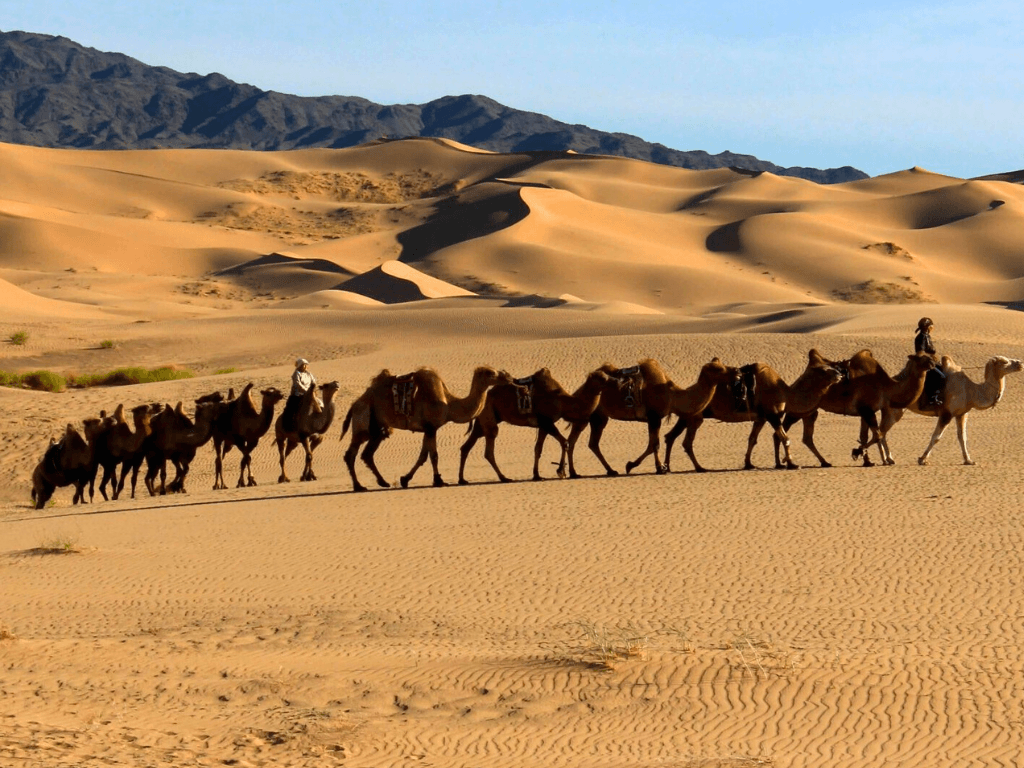
Khogno–Tarna Natural Complex Area is a diverse landscape where granite mountains, open steppe, and sand dunes meet. We explore Khogno Khan Mountain, one of Mongolia’s sacred “Khan” mountains, before continuing to Elsen Tasarkhai, an 80 km stretch of dunes divided into Mongol Els and Khugnu Tarniin Els. Unlike typical desert scenery, the dunes are dotted with willow, elm, and wild berry shrubs. Enjoy hiking or camel riding, visit a local nomadic family to learn about their daily life, and spend the night in a traditional family ger.
Day 2:Kharkhorin City & Erdenezuu Monastery (July 2)
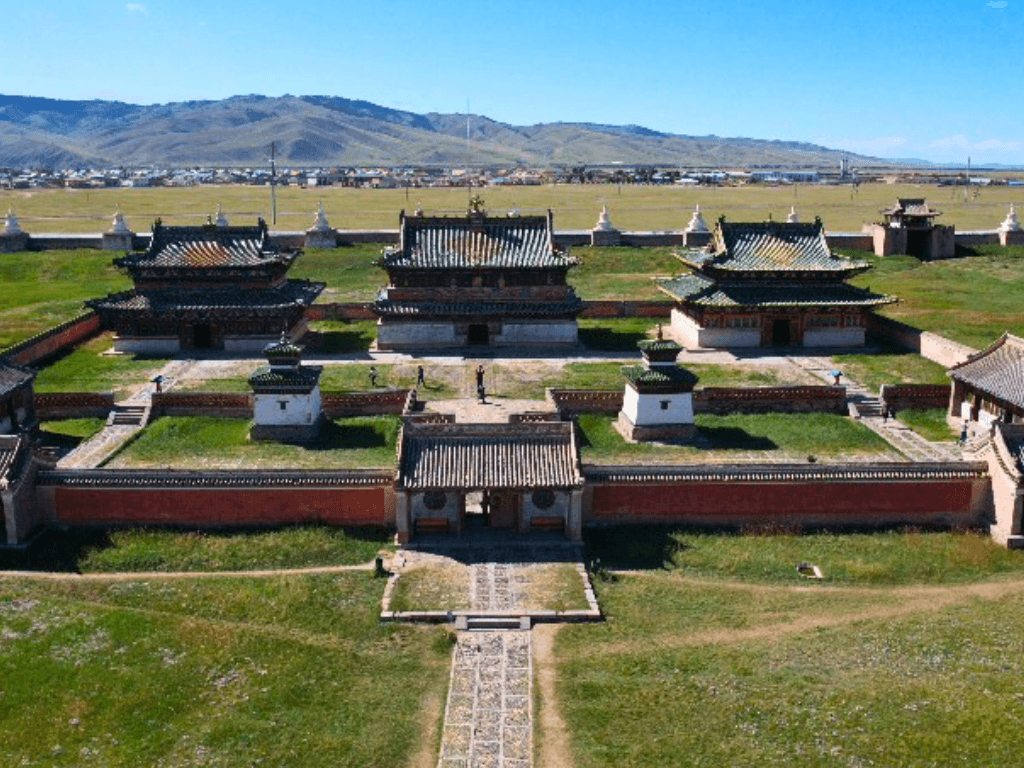
Kharkhorum was founded in the early 13th century and became the capital of the Mongol Empire in 1235 under Ögedei Khan. The city was enclosed by walls and included a palace and many buildings connected to trade and daily life. People of different cultures and religious backgrounds lived in Kharkhorum, making it one of the most diverse cities of its time. Today, the remains of the city lie near modern Kharkhorin and offer a glimpse into its rich past.
Day 3:Ongi Monastery (July 3)
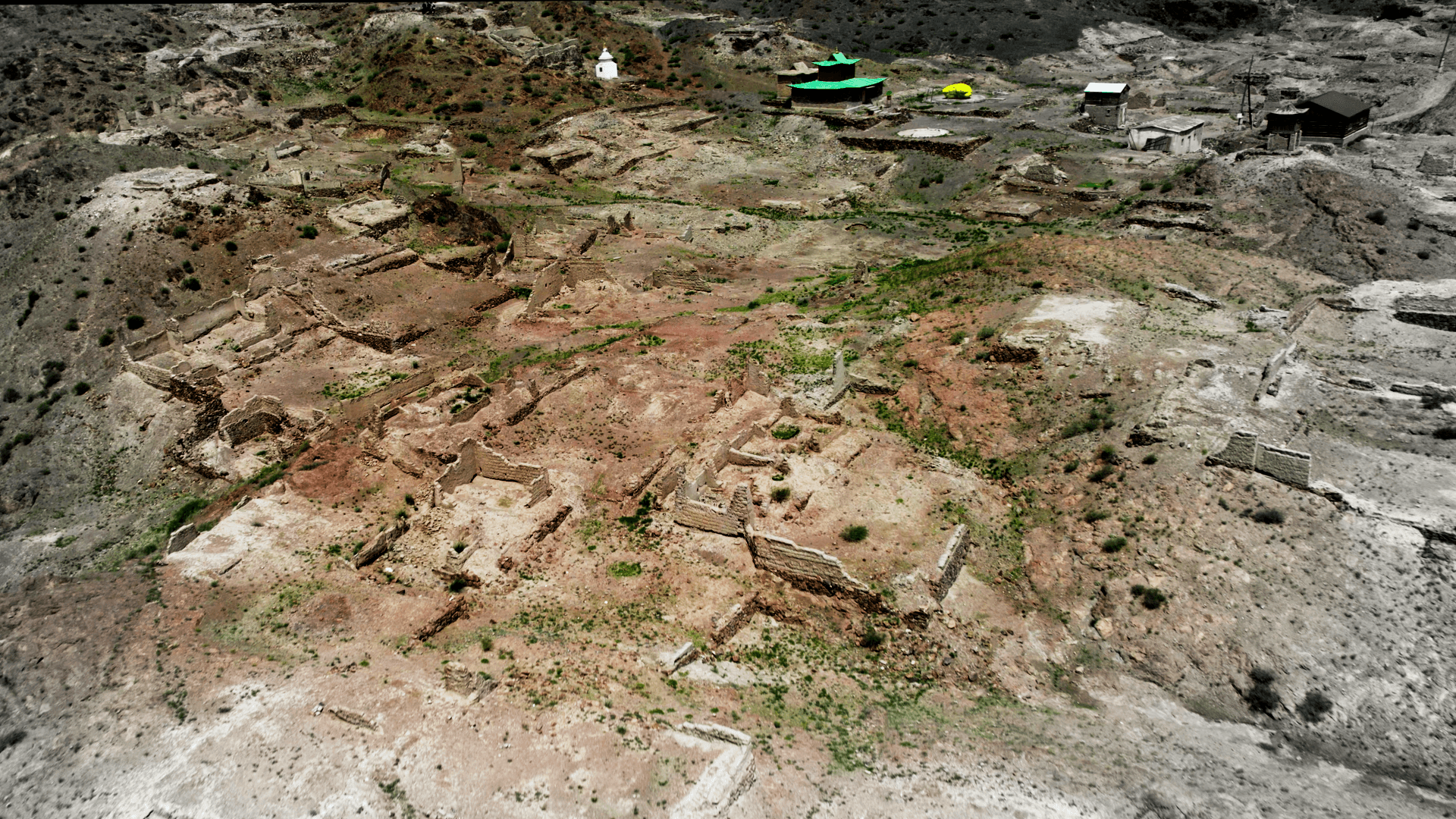
Ongi Monastery was once one of Mongolia’s largest and most important Buddhist centers. Founded in 1660, it stood on both sides of the Ongi River, with two temple complexes that together included around 28–30 temples, four Buddhist universities, and space for over 1,000 monks at its height. During the political purges of the late 1930s, the monastery was destroyed, leaving only ruins behind. After Mongolia’s democratic transition, restoration work began, and a temple was rebuilt in 2004. Today, the site is active on a small scale, and during the summer months, young monks can sometimes be seen practicing mantras.
Day 4:Bayanzag Flaming Cliffs (July 4)
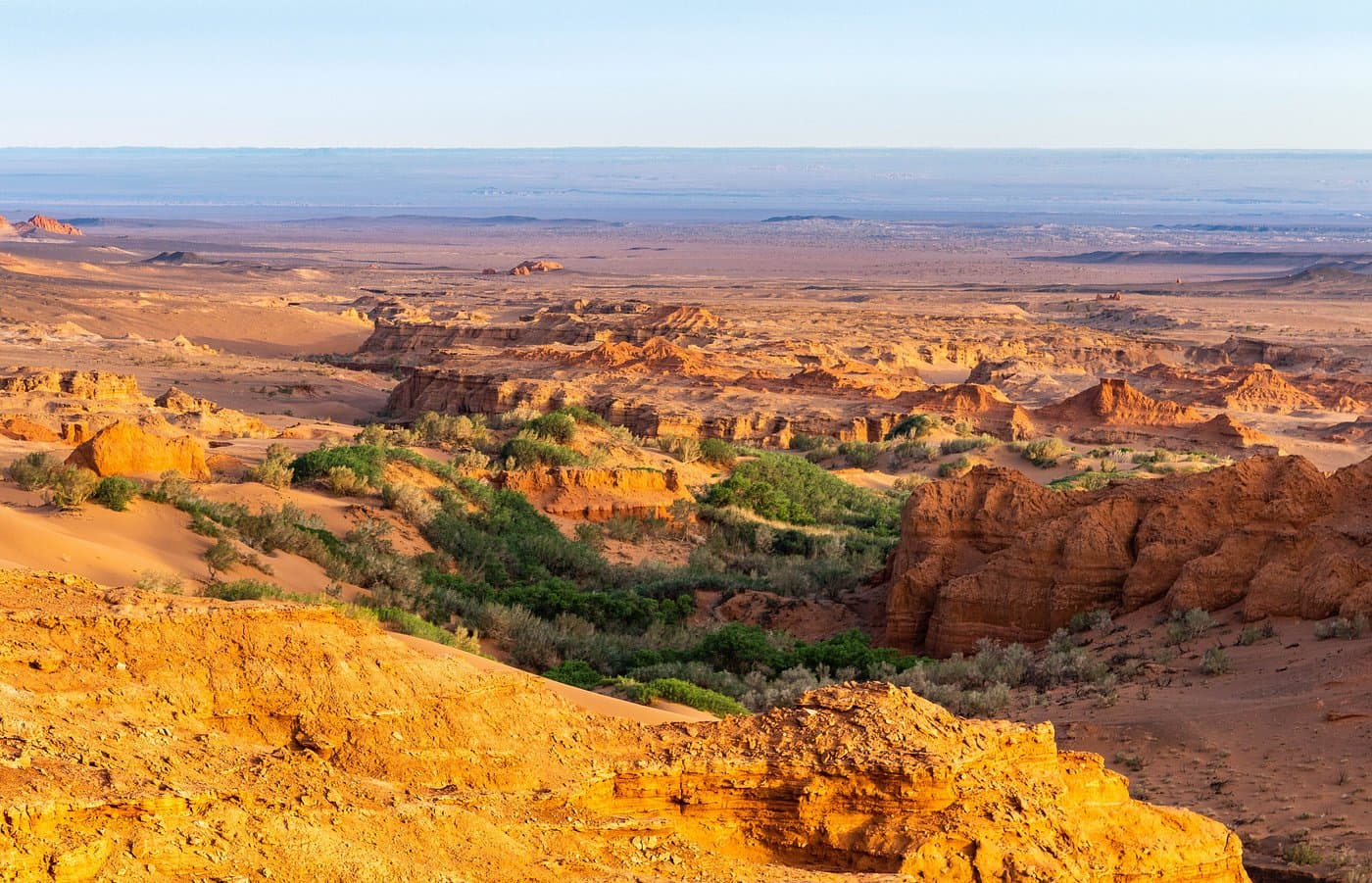
The name Bayanzag, meaning “rich in saxaul,” comes from the saxaul plants that once grew widely across the area. In 1922, American explorer and paleontologist Roy Chapman Andrews and his team uncovered dinosaur eggs and fossils here, bringing international attention to the site. As the sun lowers in the evening sky, the clay cliffs take on deep shades of red and orange, a sight that led Andrews to name the area the Flaming Cliffs.
Day 5:Khongoriin Els (Khongor Sand Dune) (July 5)
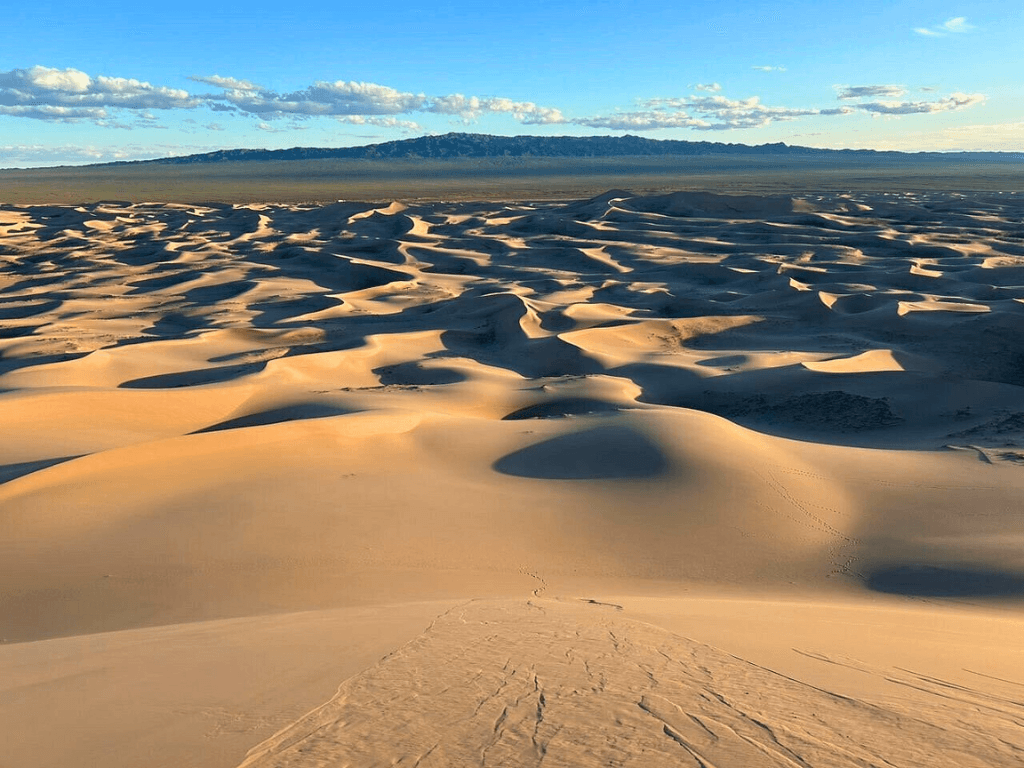
Looking across the landscape, the sand dunes stretch for about 180 km (112 miles), bordered by rocky mountains to the south and a river-fed green oasis to the north. The tallest of these dunes is Duut Manhan, also known as the Singing Dune. From the top, wave-like patterns spread across the golden sand. On windy days, warm sand slides down the steep face of the dune, creating a soft whistling sound that gives the dune its name. Today we drive 195 km to the sand dunes.
Day 6:Camel Riding at Khongor Sand Dunes (July 6)
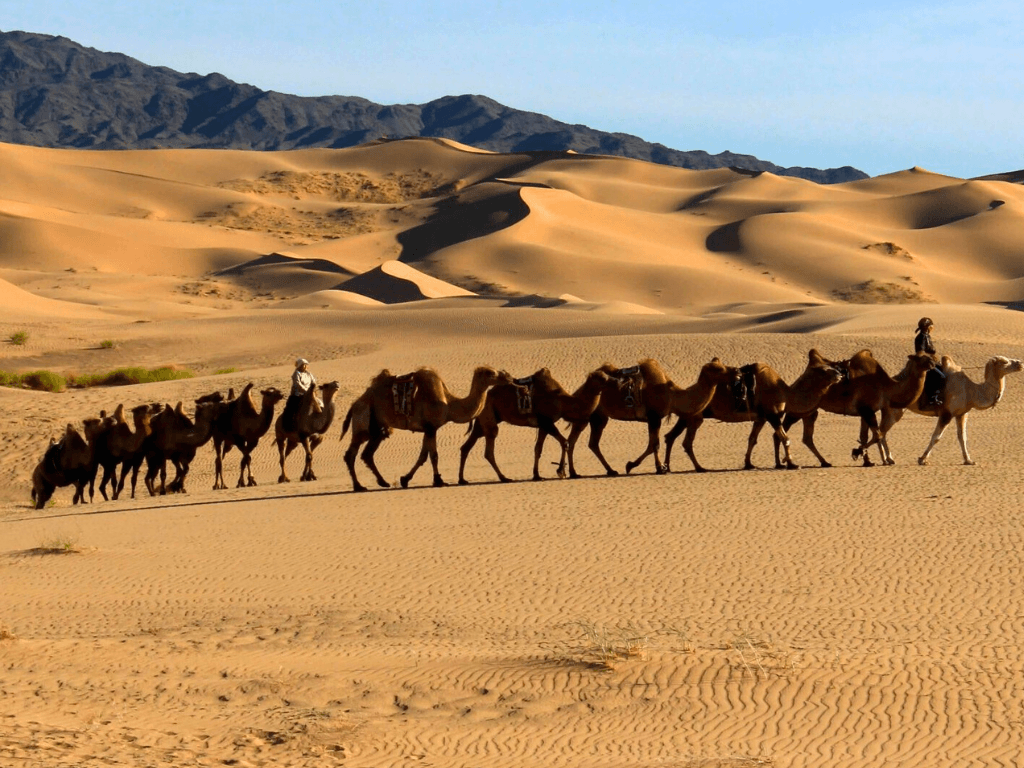
This part of the Mongolian Gobi is one of the few places where Bactrian camels still roam. Riding a camel across the dunes offers a peaceful way to experience the desert landscape, and the sunset, with its golden light glowing over the sand, is truly beautiful.
Day 7:Yoliin Am (The Yol Valley) (July 7)
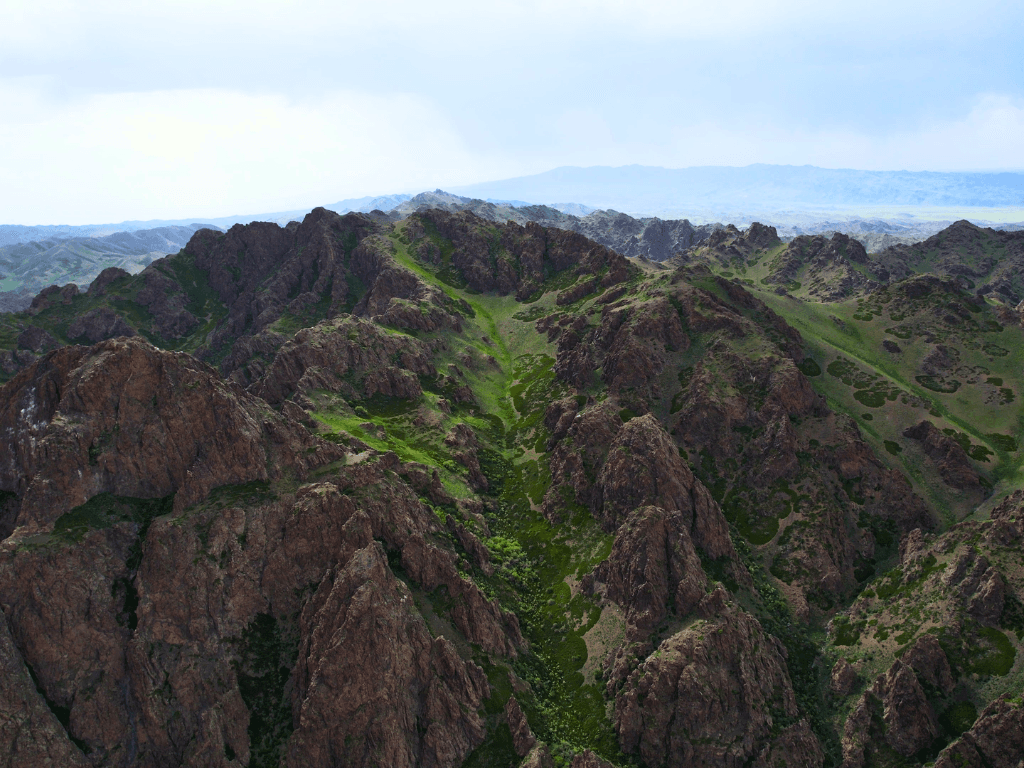
Yol Valley (Yolyn Am) is a narrow mountain gorge in the Gobi Desert where ice often remains in the shaded canyon for much of the year. The valley is rich in biodiversity and supports wildlife such as bearded vultures, eagles, argali (mountain sheep), and ibex. Even during the hot summer months, walking through the narrow gorge, where shaded sections often retain ice, offers a distinctive experience.
Day 8:Tsagaan Suvarga (White Stupa) (July 8)
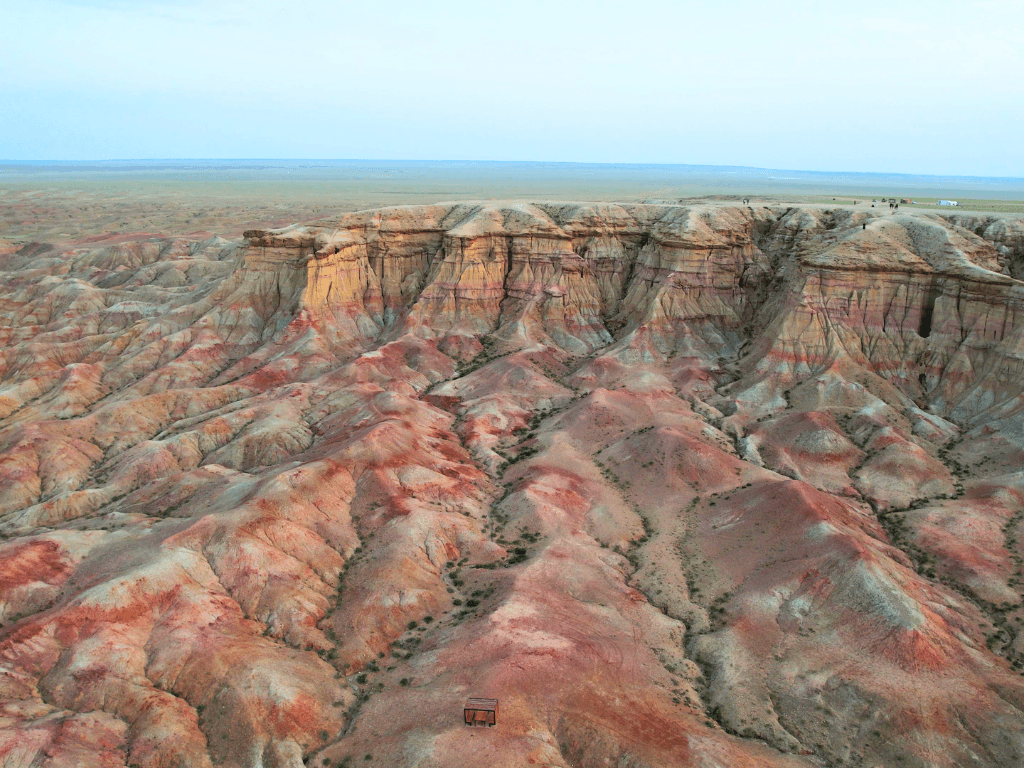
Tsagaan Suvarga is a striking cliff formation rising up to about 60 meters (197 feet) high and spreading roughly 400 meters wide. The sedimentary layers were once the bottom of an ancient sea that covered this part of the Gobi. In the early morning light, the white, orange, and red colors slowly change, giving the landscape an almost otherworldly feel and often bringing to mind scenes from Mars.
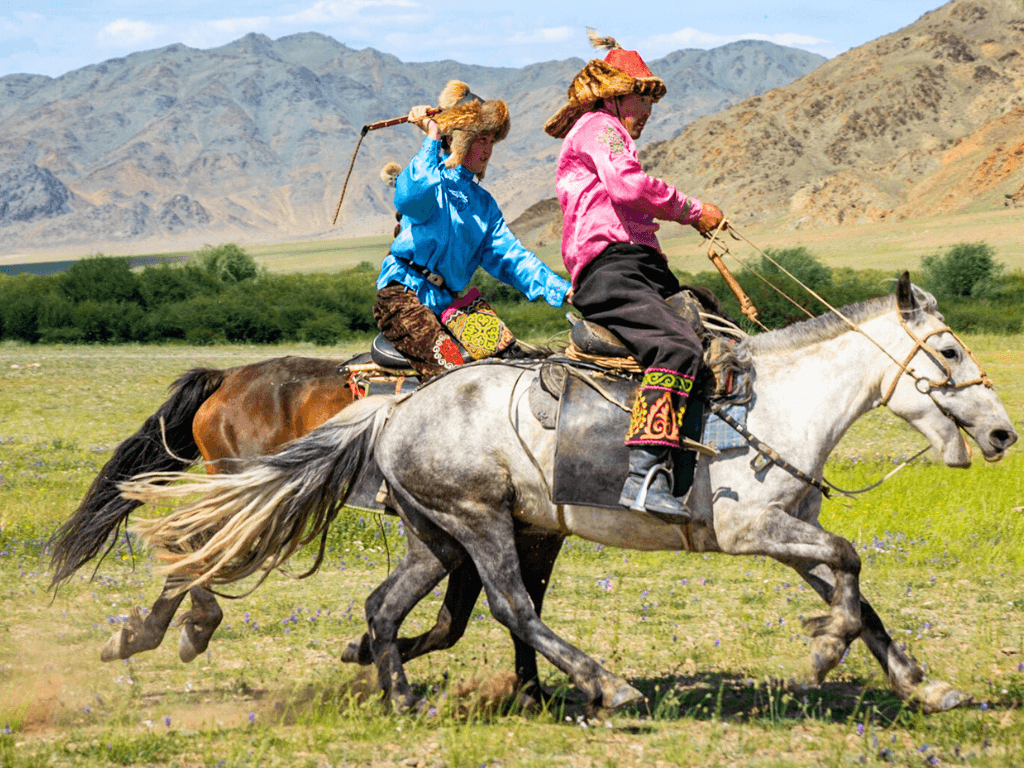
Day 10:Horse Racing & Ulaanbaatar (July 10)
Today, we drive to Ulaanbaatar. On the way, we will visit the Naadam Festival in Zuunmod, where we will watch the traditional horse racing. Afterward, we continue to Tsonjin Boldog to see the Chinggis Khan Statue Complex.
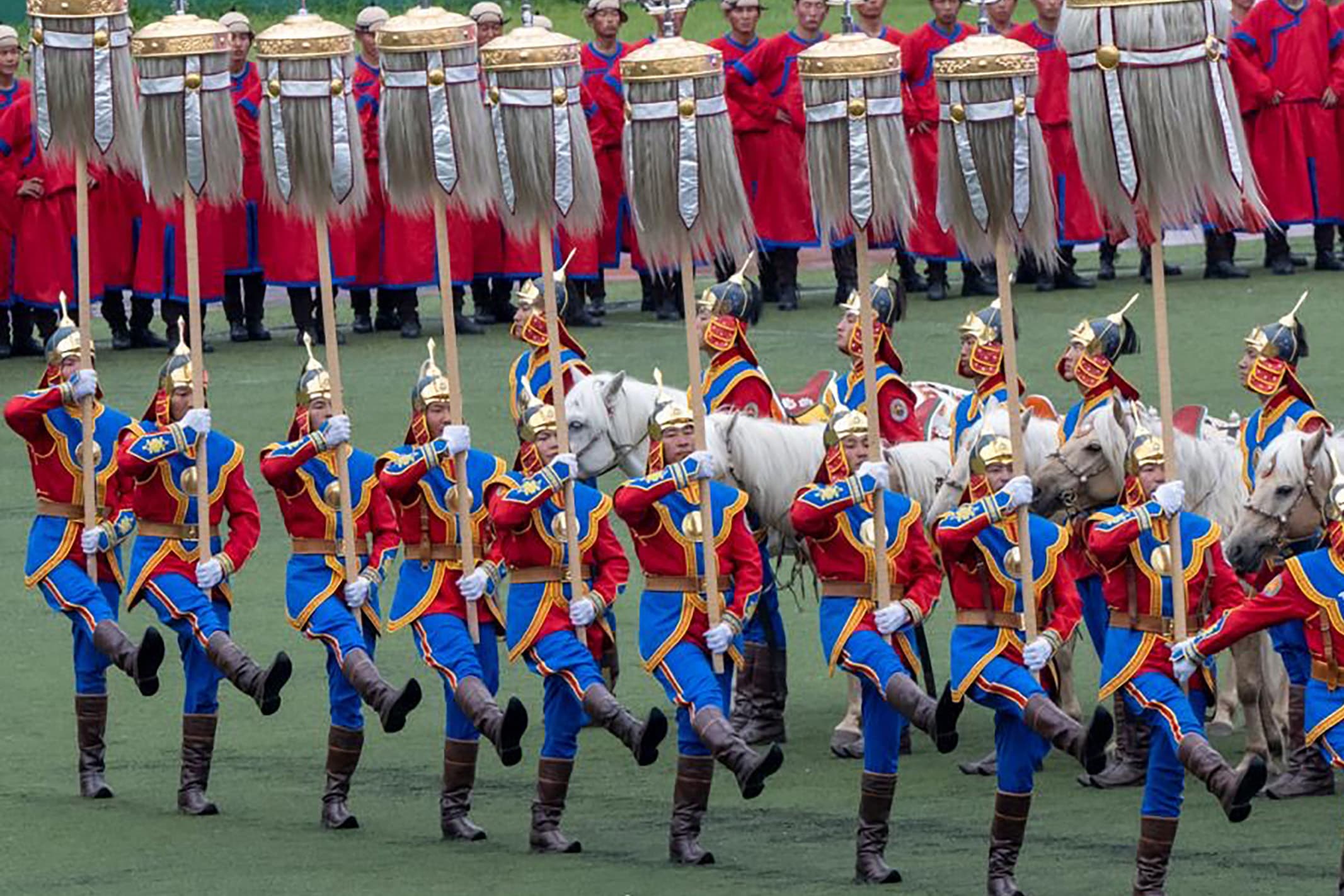
Day 11:Naadam Festival (July 11)
Naadam is Mongolia’s most important national festival, celebrated across the country every year from July 11 to 13. The festival centers on the Three Manly Games: wrestling, horse racing, and archery. On this day, we will watch wrestling and archery and also taste one of the most popular Mongolian dishes, called khuushuur.
Price & Options
Price Includes
- Included items not listed.
Price Excludes
- Excluded items not listed.
Private Tour Packages
Choose a package below to request custom dates for your private group.
Economy
Commonly chosen package
Premium
Comfortable experience