Tour Overview
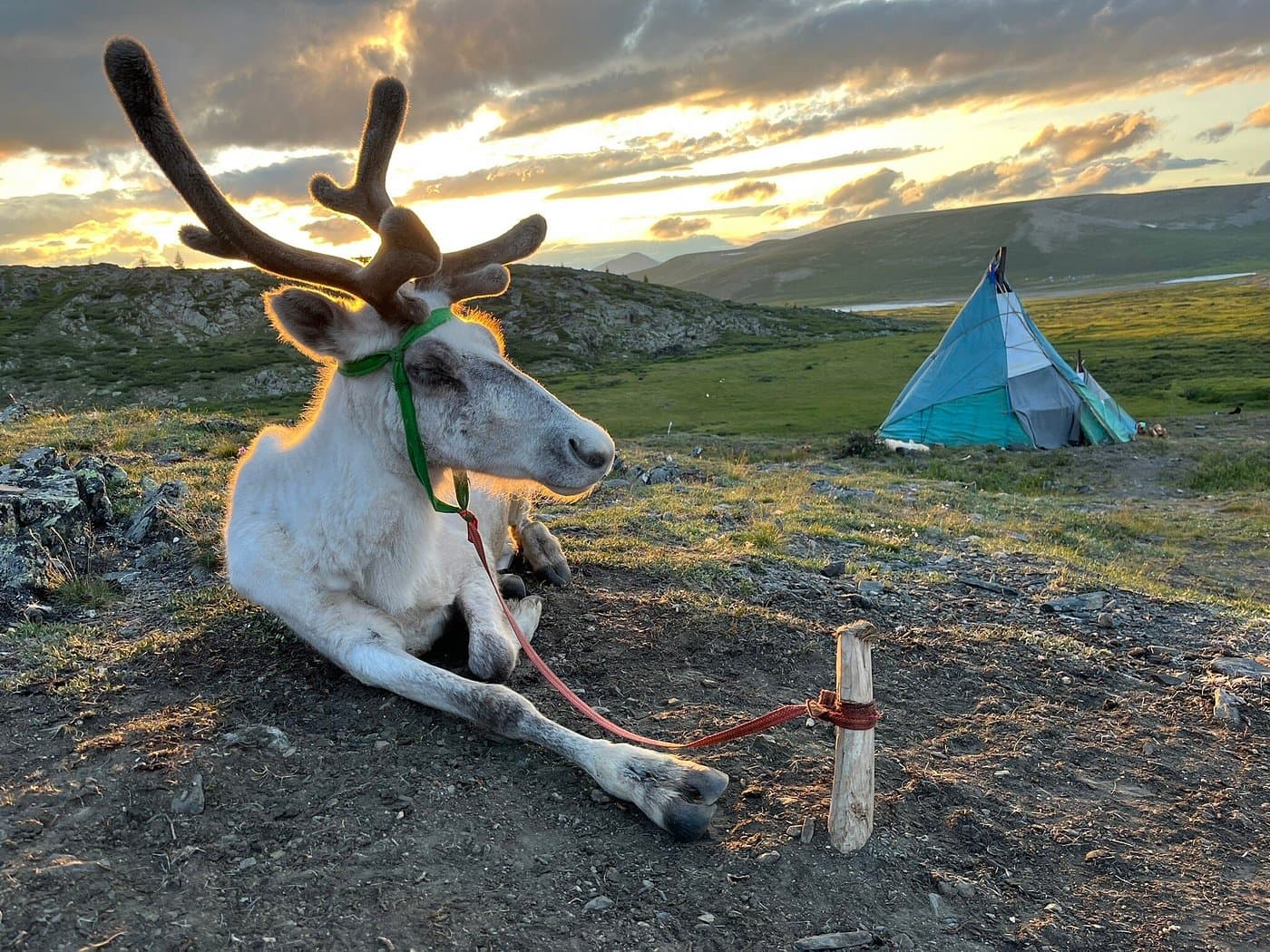
The Tsaatan are reindeer herders who maintain a nomadic way of life, migrating seasonally across the taiga in search of pasture. They speak Tuvan, a Turkic language, and live in traditional urts, cone-shaped dwellings of wooden poles. Reindeer are central to their culture, providing transport and milk for tea and dairy foods. Today, only about 40 Tsaatan families remain in Mongolia, living in the Eastern and Western Taiga.
This journey offers a rare opportunity to experience Tsaatan life, combined with horse trekking through Mongolia’s wild landscapes and a visit to the Orkhon Valley, the historic heartland of the Mongol Empire.
Daily Itinerary
Day 1:Ulaanbaatar
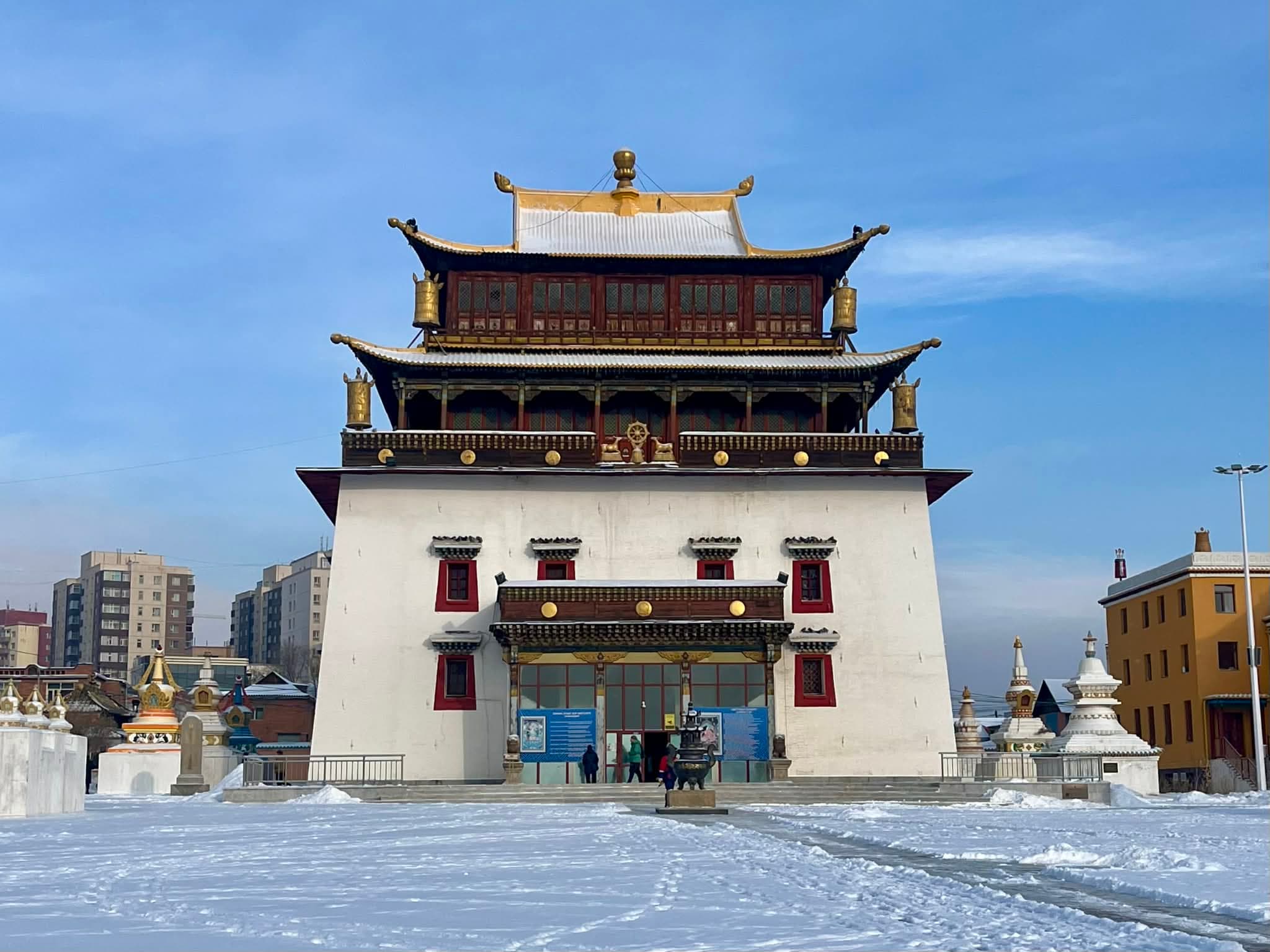
Your journey begins with a full-day exploration of Ulaanbaatar. You will visit Gandan Monastery and the Chinggis Khan National Museum, followed by an evening of traditional Mongolian cultural performance.
Day 2:Khustai National Park & Khugnu Khan, Elsen Tasarkhai
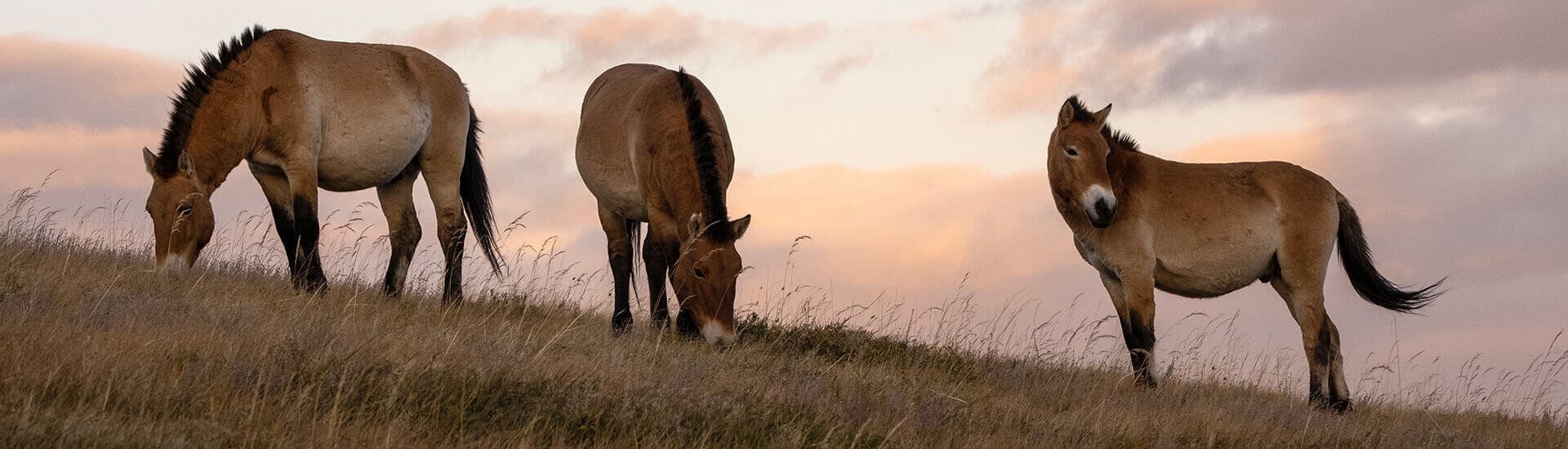
Khustai National Park was established to reintroduce the takhi (Equus ferus przewalskii Groves), the world’s last remaining species of truly wild horse listed in the IUCN Red List. The reintroduction began in 1992, and today the park is also home to many other rare species of flora and fauna, including marmots, deer, and birds of prey. Elsen Tasarkhai is an 80 km-long belt of sand dunes, divided by a road into Mongol Els and Khugnu Tarniin Els. Despite the desert setting, the dunes are dotted with vegetation such as willow, elm, and hardy shrubs. We visit a local nomadic family to experience their traditional way of life.
Day 3:Kharkhorin City, Erdenezuu Monastery & Orkhon Waterfall
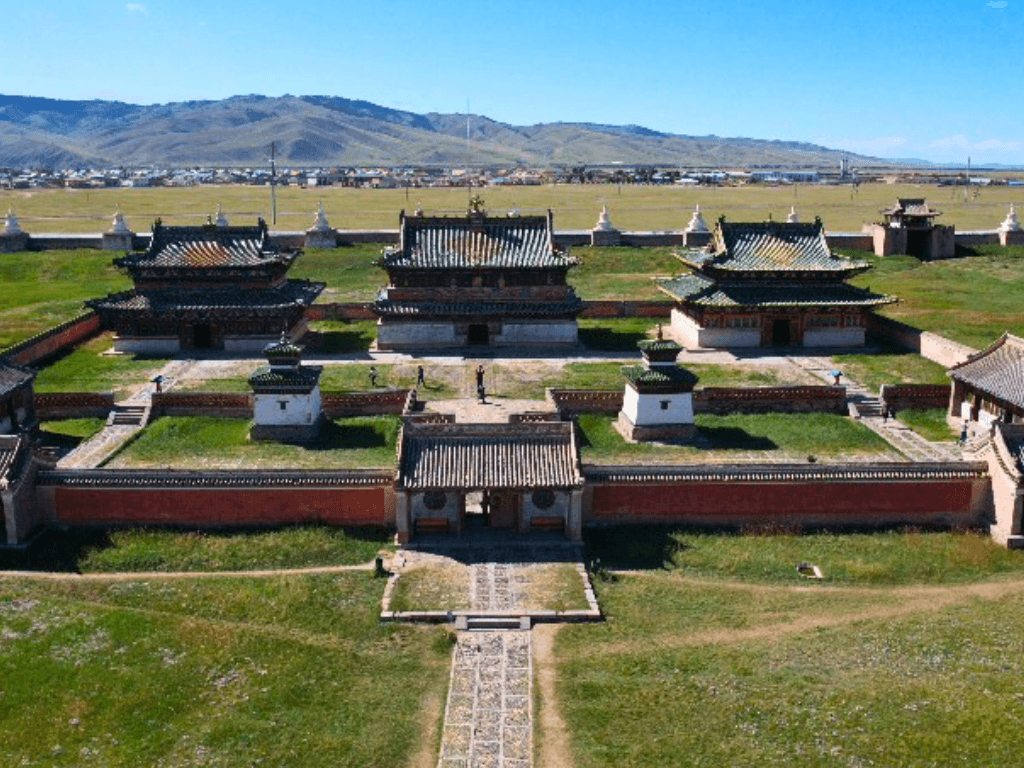
Kharkhorum was founded in the early 13th century and became the capital of the Mongol Empire in 1235 under Ögedei Khan. The city was enclosed by walls and included a palace and many buildings connected to trade and daily life. People of different cultures and religious backgrounds lived in Kharkhorum, making it one of the most diverse cities of its time. Today, the remains of the city lie near modern Kharkhorin and offer a glimpse into its rich past.
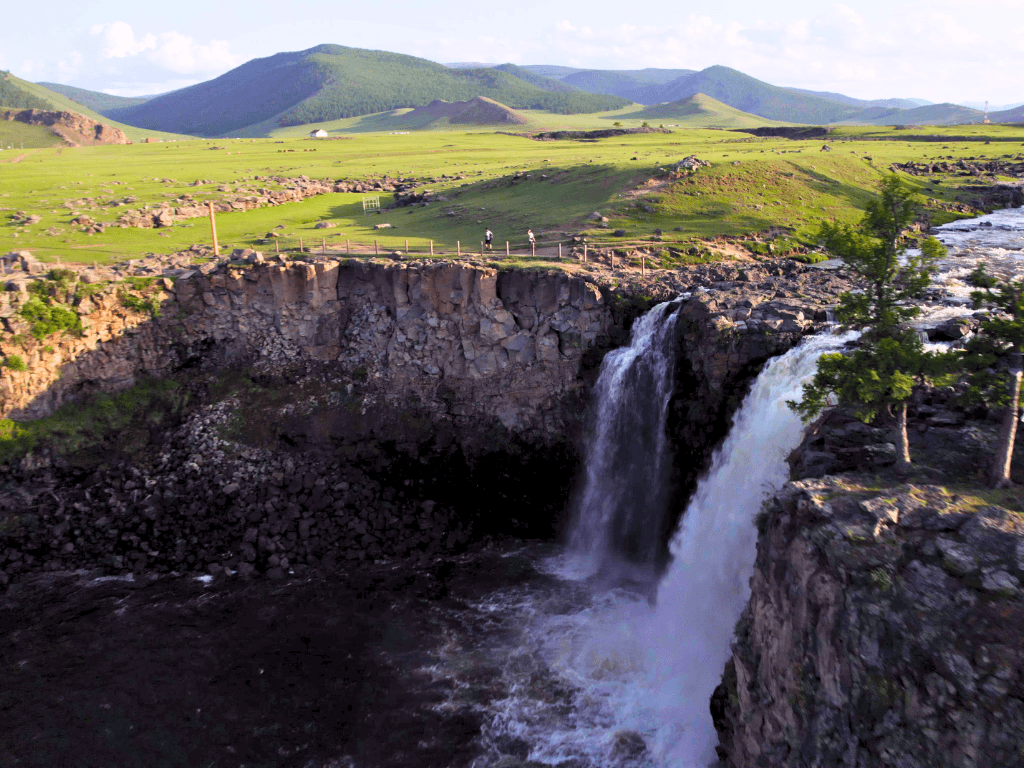
Day 4:Orkhon Valley & Orkhon Waterfall
Orkhon Valley Cultural Landscape is one of Mongolia’s most important cultural and historical regions and is listed as a UNESCO World Heritage Site. For centuries, the valley was a center of nomadic life and an important area in the history of Central Asia. Several major historical sites are located within the valley, including Karakorum, the capital of the Mongol Empire; Khar Balgas, the former capital of the Uyghur Khaganate; Erdene Zuu Monastery; and Tuvkhun Monastery. Orkhon Valley Cultural Landscape covers the Orkhon River basin and the northeastern edge of the Khangai Mountains, with landscapes shaped by low mountains, rolling hills, wide river valleys, and open steppe. The area includes mountain forest, forest-steppe, river meadows, and dry steppe, creating a varied natural setting.
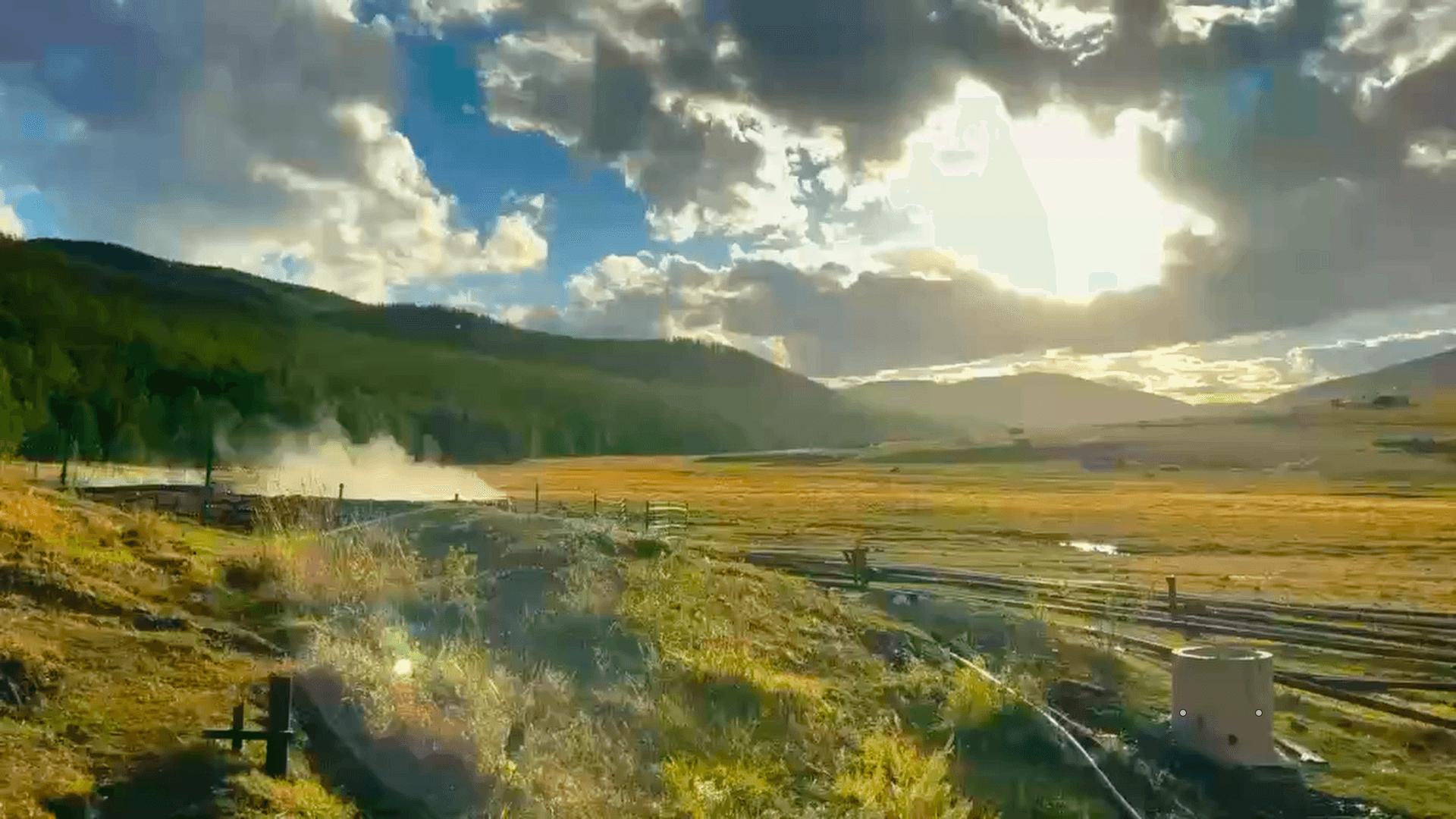
Day 5:Tsenkher Hot Spring
Tsenkher Hot Spring is one of Mongolia’s highest-temperature hot springs, reaching around 86 °C (186 °F). This alkaline hot spring rises from deep underground and contains hydrogen sulfide and silicon compounds. Traditionally, the hot spring is believed to help relieve joint discomfort and certain skin conditions and to support recovery following medical treatment.
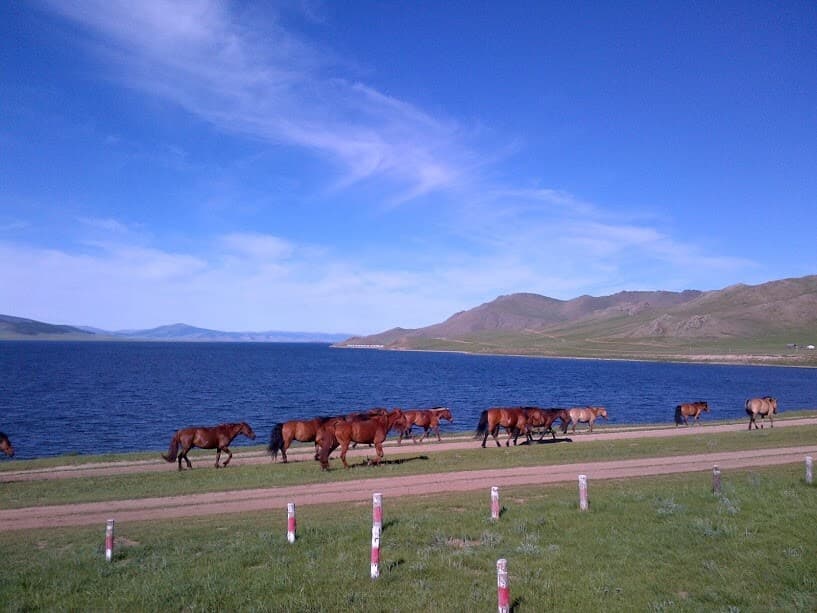
Day 6:Great White Lake (Terkhiin Tsagaan Nuur)
Set along two of the world’s major bird migration routes, Terkhiin Tsagaan Nuur and its wetlands are an important resting place for migratory waterfowl during seasonal movements. Long ago, lava flows spread across the valley, blocking a river and gradually forming a natural dam that gave rise to the lake. Today, the lake stretches about 16 km (10 miles) in length, with clear freshwater reaching an average depth of 20 meters (65 feet).
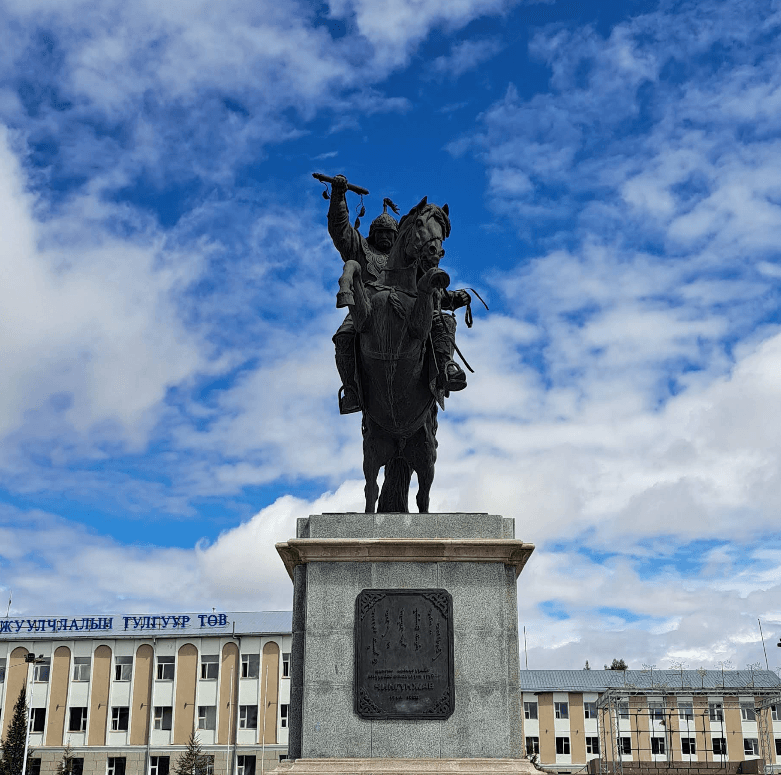
Day 7:Murun Province
Murun is the administrative center of Khuvsgul Aimag (province) in northern Mongolia. It is one of the most populated provincial centers in the country, after Ulaanbaatar, Darkhan, Erdenet, and Choibalsan. Here, we will obtain the border permit required to visit the reindeer herders. You can also experience authentic provincial lifestyle and culture.
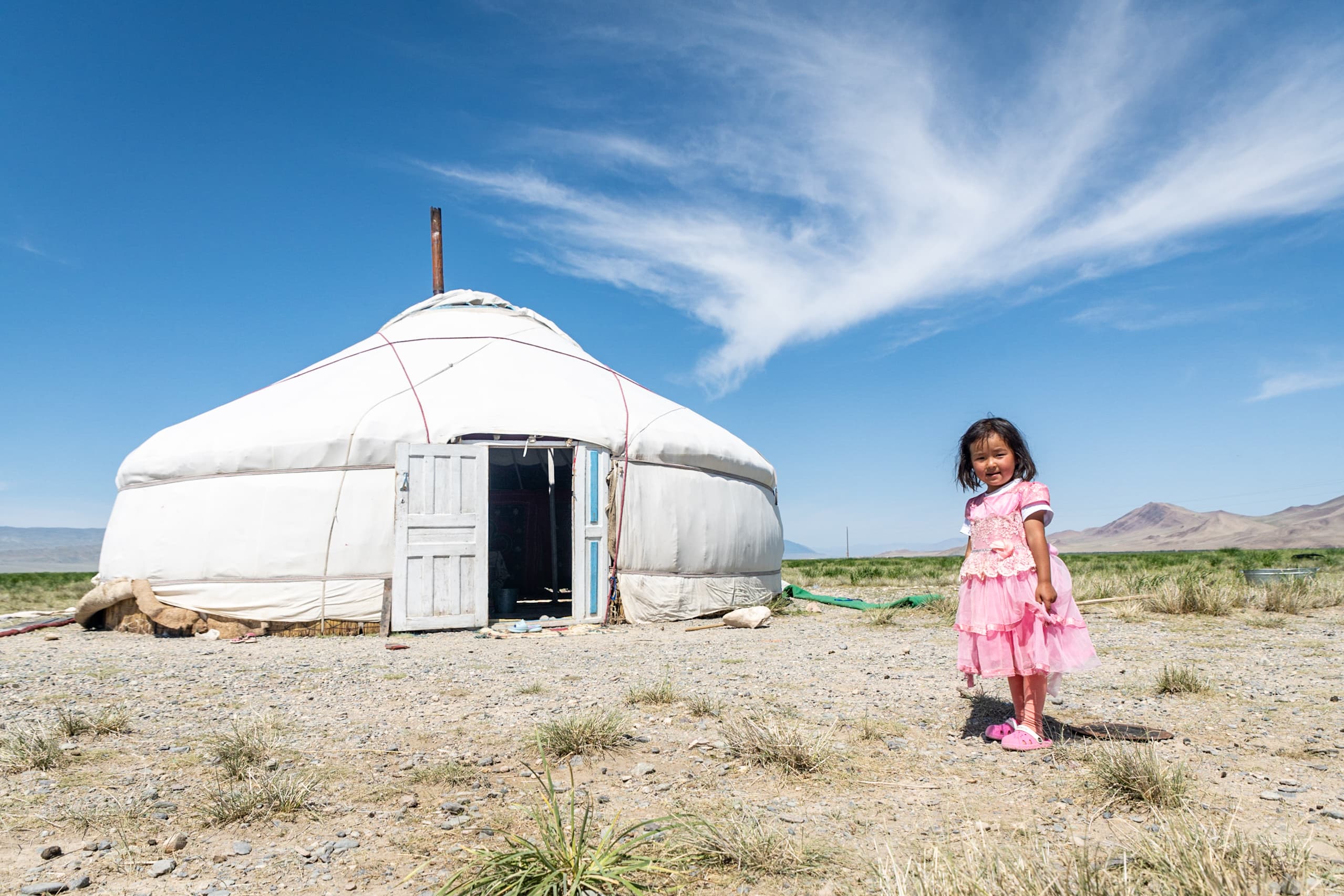
Day 8:Horse Herder Family
Here, we will visit a horse herder family to prepare our horses before continuing to the reindeer herder family. The Tsaatan follow a nomadic lifestyle, moving seasonally in search of suitable grazing areas for their reindeer. Today, there are around 40 Tsaatan families living in Mongolia, divided between the Eastern and Western Taiga regions.
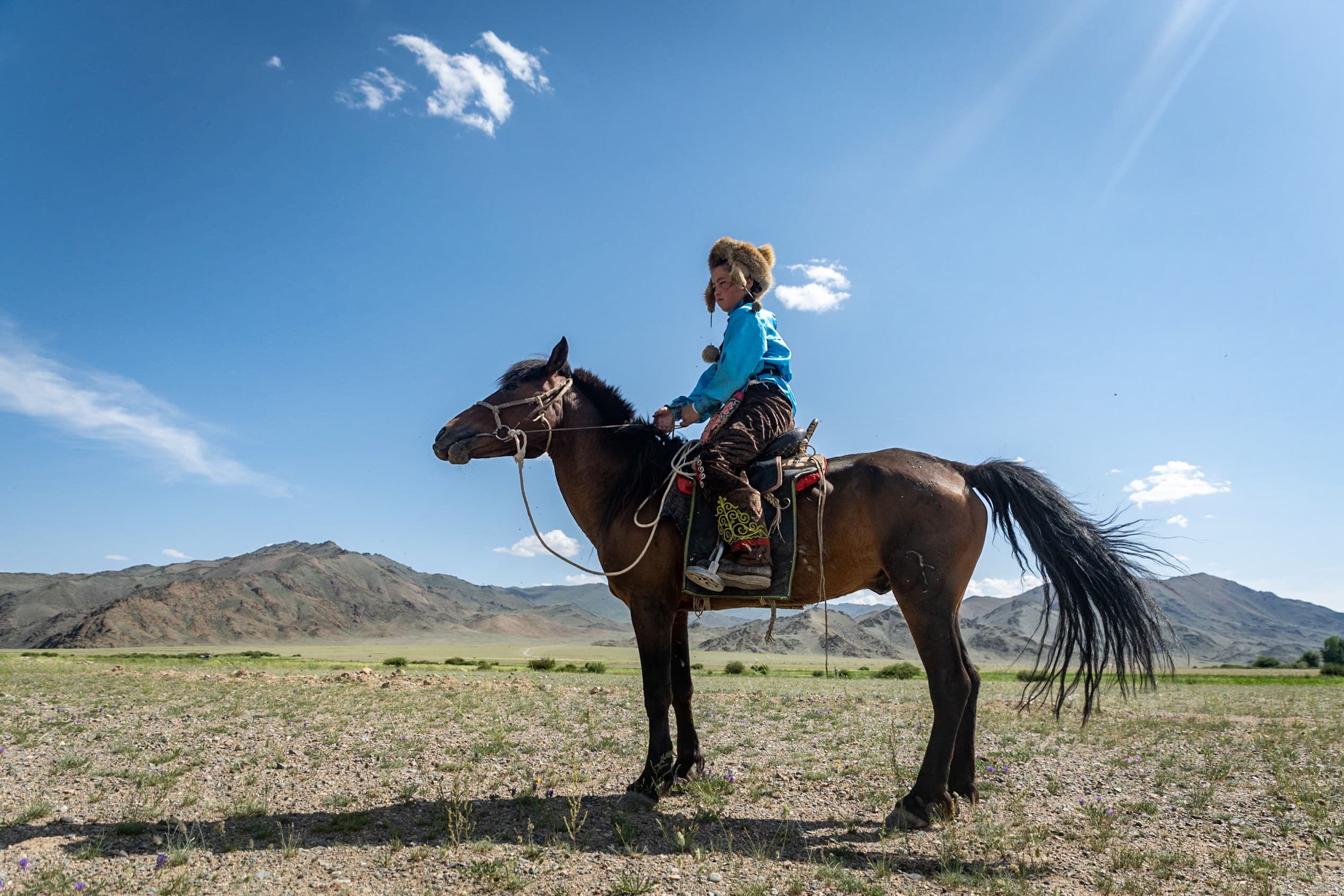
Day 9:Horse Trekking to Reindeer Herders
We horse trek to the reindeer herders and overnight in tents.
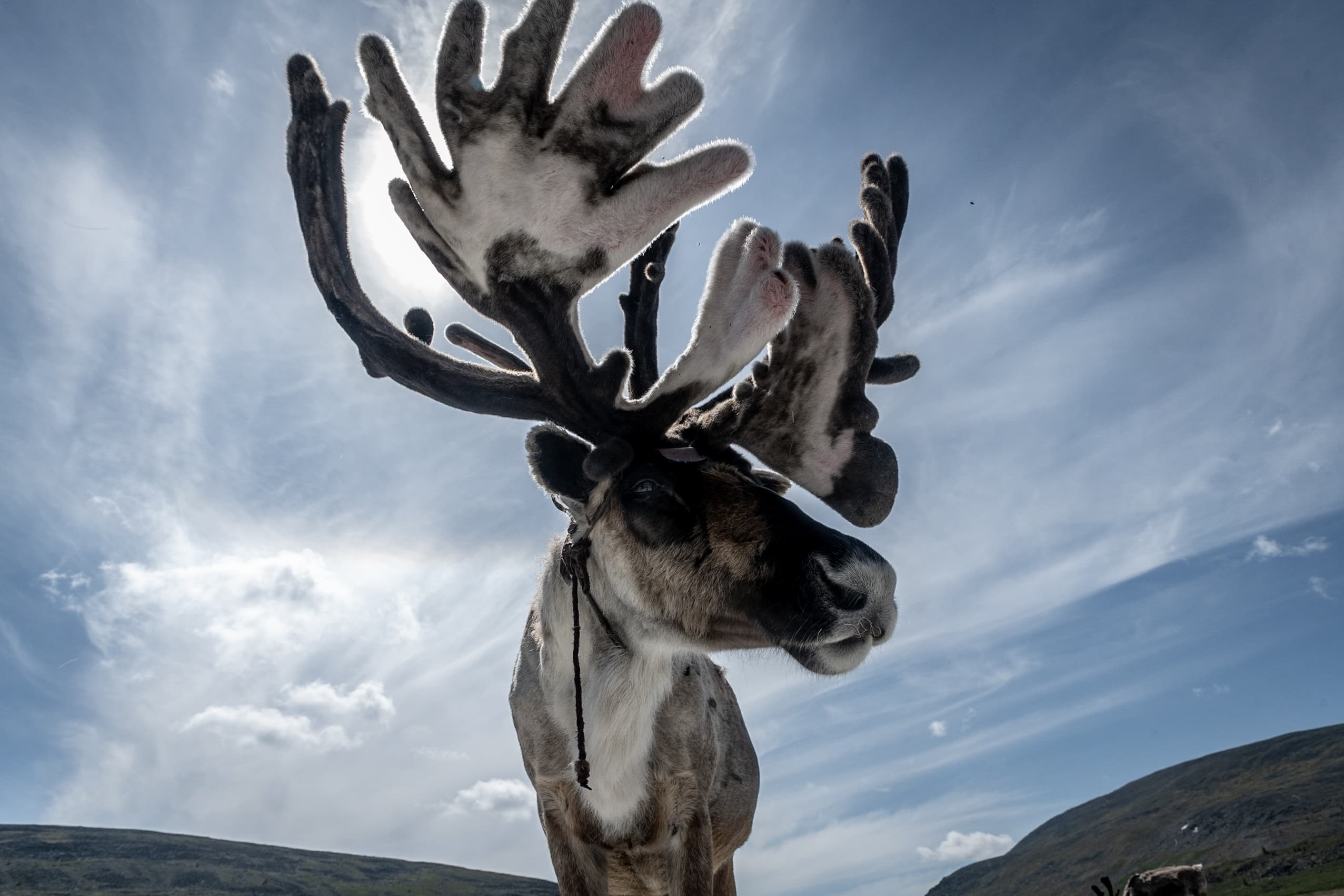
Day 10:Reindeer-Herder Family
The Tsaatan (Dukha) people traditionally live in urts, cone-shaped dwellings similar to teepees, built from wooden poles. In the past, these were covered with animal hides, while today cloth, leather, or canvas is commonly used. Reindeer are central to Tsaatan life, used for riding and carrying loads, and their milk is made into tea, dried curds, yogurt, and other dairy foods. We visit a Tsaatan family to experience their unique way of life.
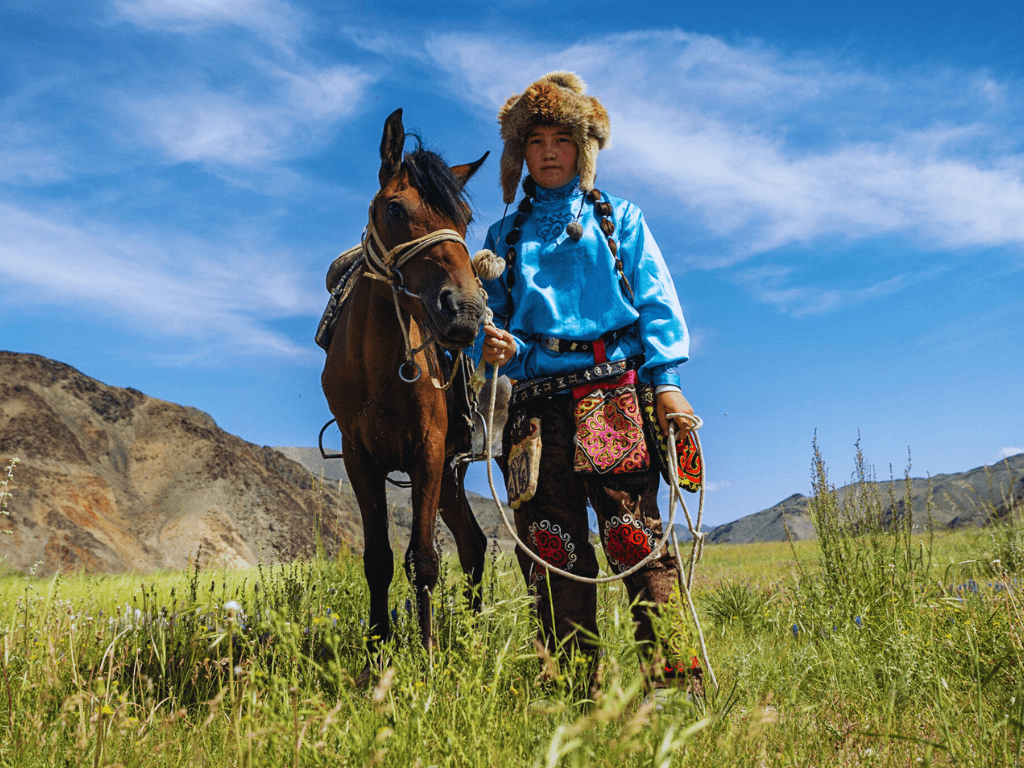
Day 11:Return to the Horse Herder Family
We horse trek from the reindeer herders to a horse-herder family.
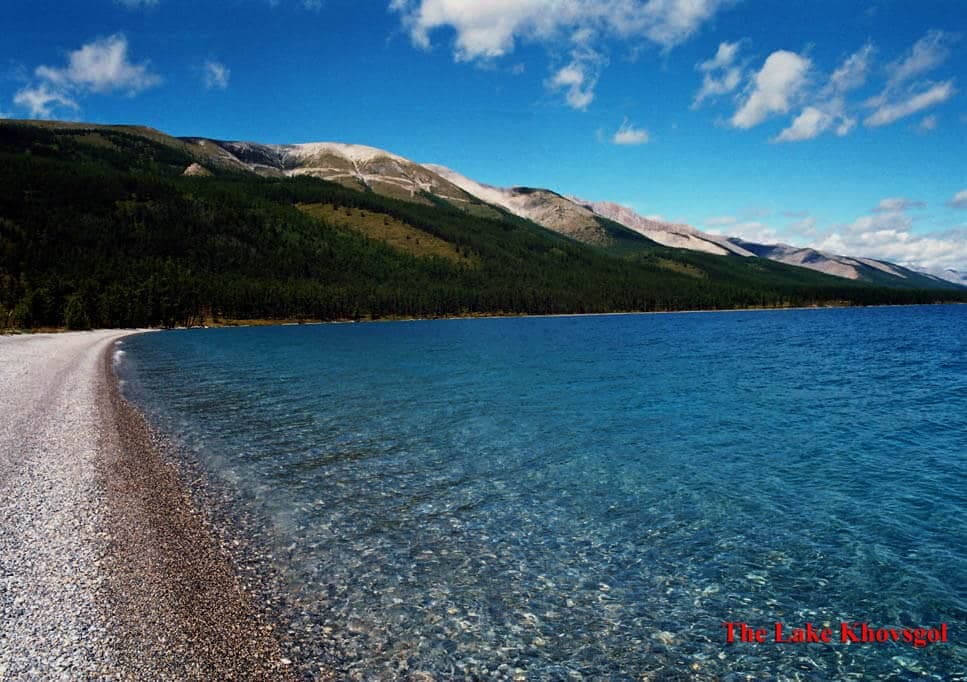
Day 12:Khuvsgul Lake
Khuvsgull Lake holds about 70 percent of Mongolia’s freshwater and is the country’s largest and deepest lake. It is also the second-largest freshwater lake by volume in Asia. Encircled by dramatic high mountains, the landscape is framed to the southwest by the Khoridol Saridag and Bayan ranges, reaching elevations of 3,000–3,200 meters.
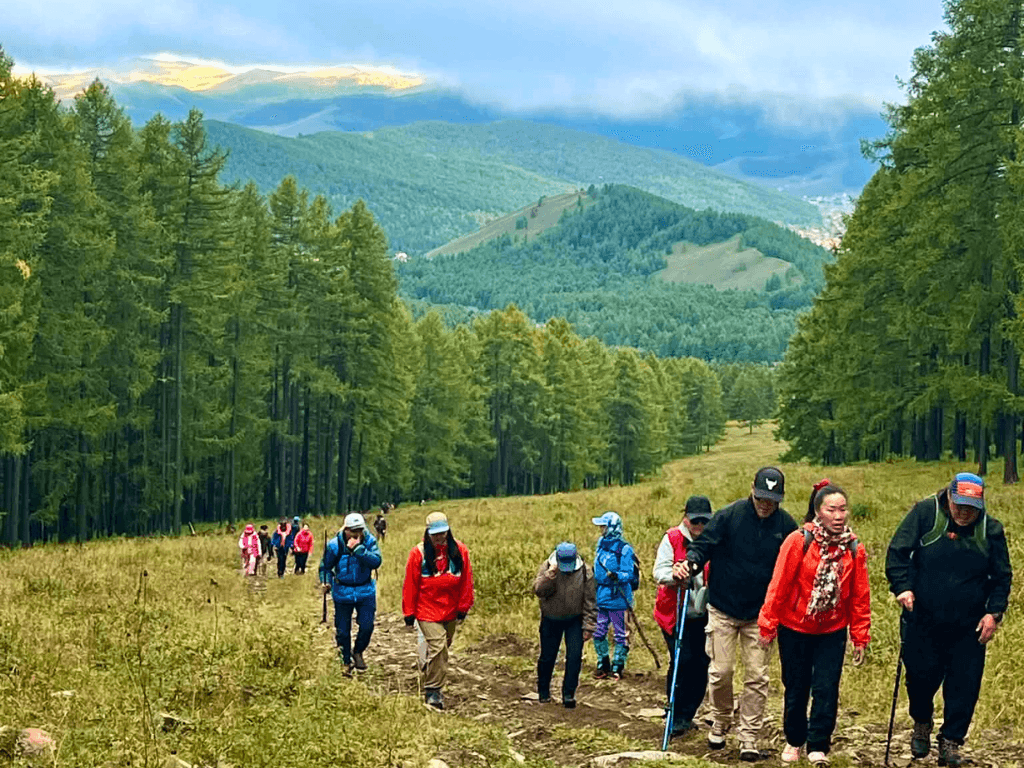
Day 13:Hiking around Khuvsgul Lake
Forests cover 28% of the Khuvsgul basin, forming vast taiga landscapes of larch, pine, cedar, and birch. The region supports diverse wildlife such as moose, red deer, brown bear, ibex, and reindeer, along with many rare bird species listed in the Red Book. We explore this pristine environment on scenic hikes around Khuvsgul Lake.
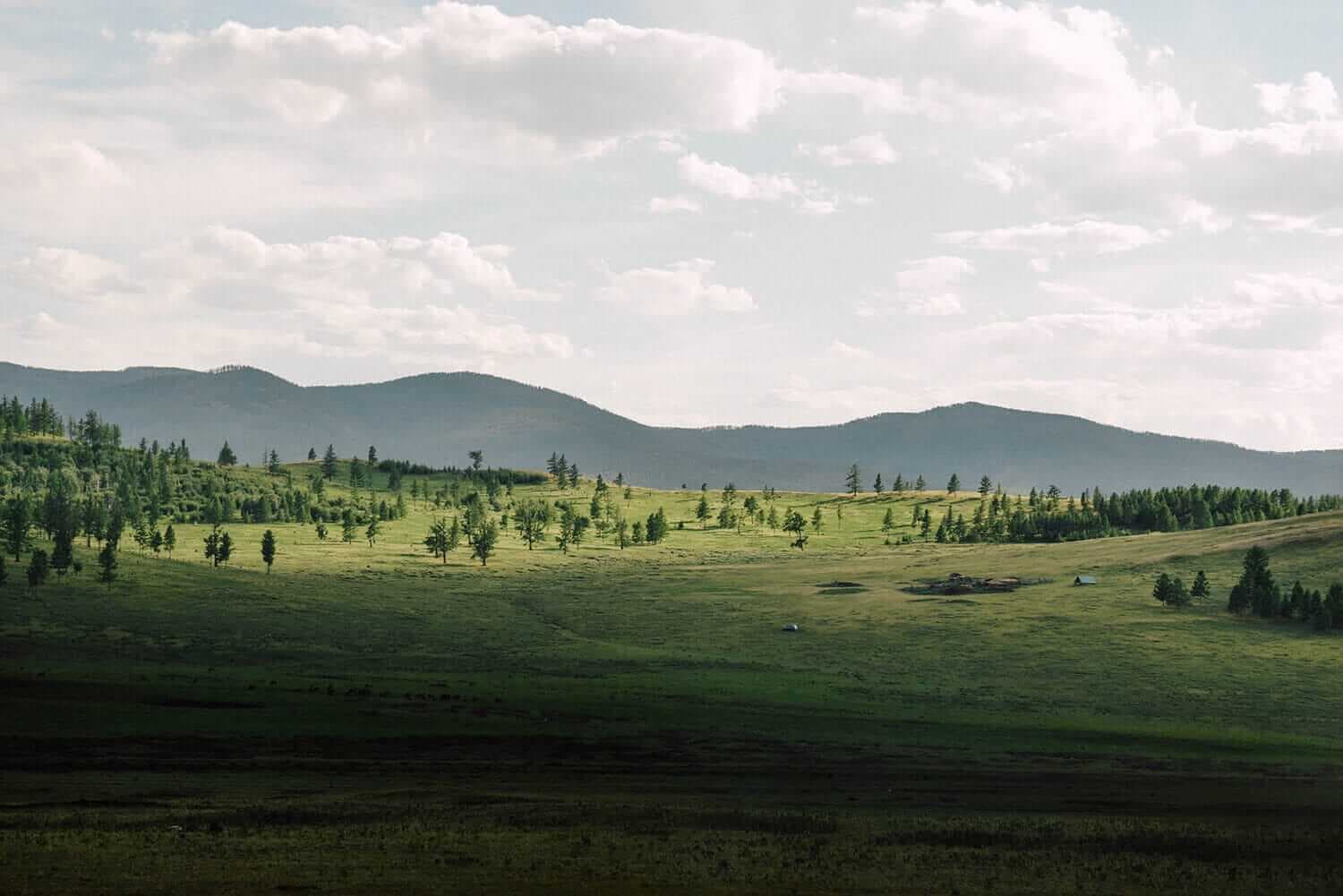
Day 14:Uran Togoo Volcano Mountain
Uran Togoo is an extinct volcanic crater formed approximately 20–25 million years ago, measuring about 500 m (1,640 ft) in width and 50 m (164 ft) in depth. Ancient volcanic lava and ash enriched the soil, and forest-steppe vegetation now spreads across the area, creating a calm yet striking landscape. In winter, animals often shelter around the crater, taking advantage of the residual ground warmth. At the center of the crater lies a small lake about 20 meters (65 feet) wide, surrounded by forest dominated by larch trees.
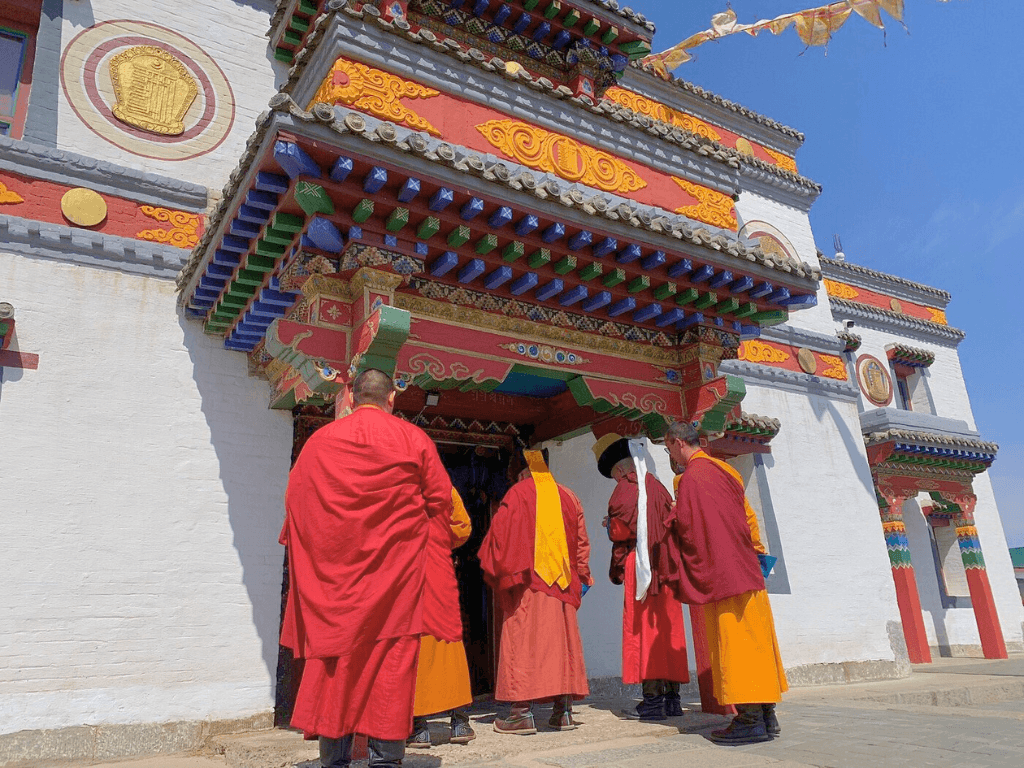
Day 15:Amarbayasgalant Monastery
Amarbayasgalant Monastery was one of the three major Buddhist centers in Mongolia. At its peak, the monastery was home to around 6,000 monks and included about 10 major temples (datsans) along with more than 50 smaller temples across the complex. During the period of political repression in 1937–1938, many religious statues, sacred objects, and Buddhist scriptures were destroyed, resulting in irreversible cultural losses. Restoration work began in 1988 under the Mongolian government to preserve the remaining structures. Today, Amarbayasgalant Monastery is active once again and is home to more than 60 monks.
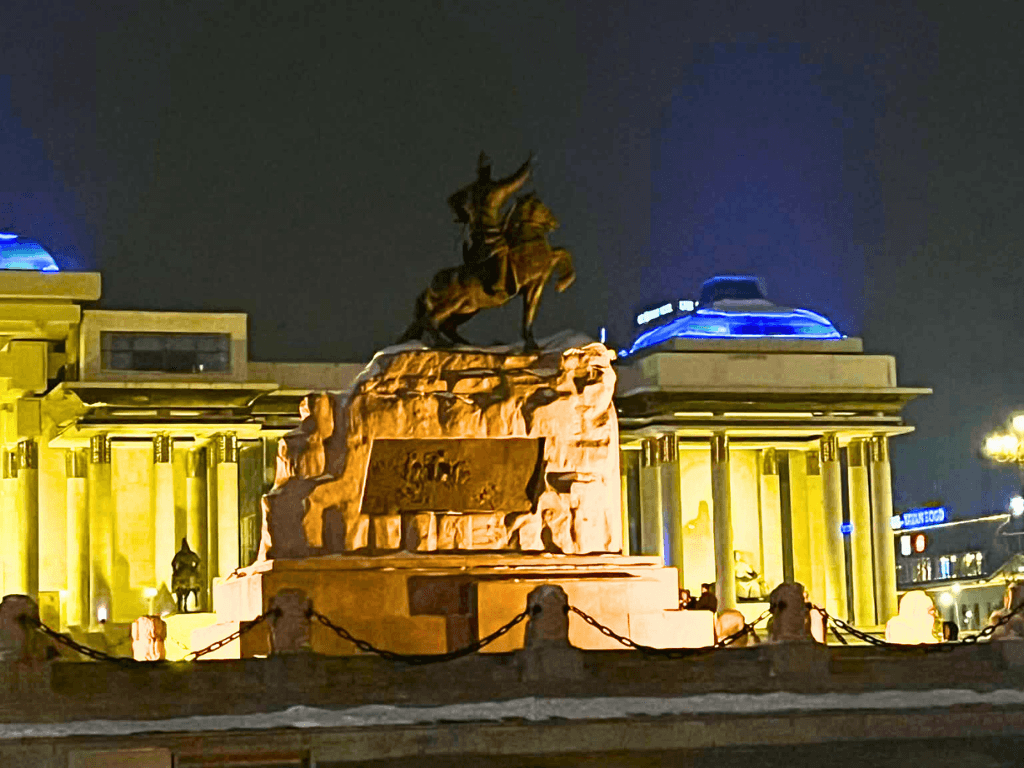
Day 16:Return to Ulaanbaatar
We drive back to Ulaanbaatar and enjoy a farewell dinner celebrating the unforgettable journey we have shared.
Price & Options
Price Includes
- Driver + 4WD vehicle + Gas
- English speaking tour guide/cook
- National Park entrance fee
- Camel and Horse riding for an hour or longer
- Accommodations
- All meals(Breakfast, lunch and Dinner)
Price Excludes
- Accommodations in UB
- Travel and Medical insurance
- Personal Items
- Tip money for drivers and guides
- Visa fee
- Alcohol and soft drinks
Private Tour Packages
Choose a package below to request custom dates for your private group.
Economy
Commonly chosen package
Premium
Comfortable experience